Asus ZenBook A16 review
About
Overview
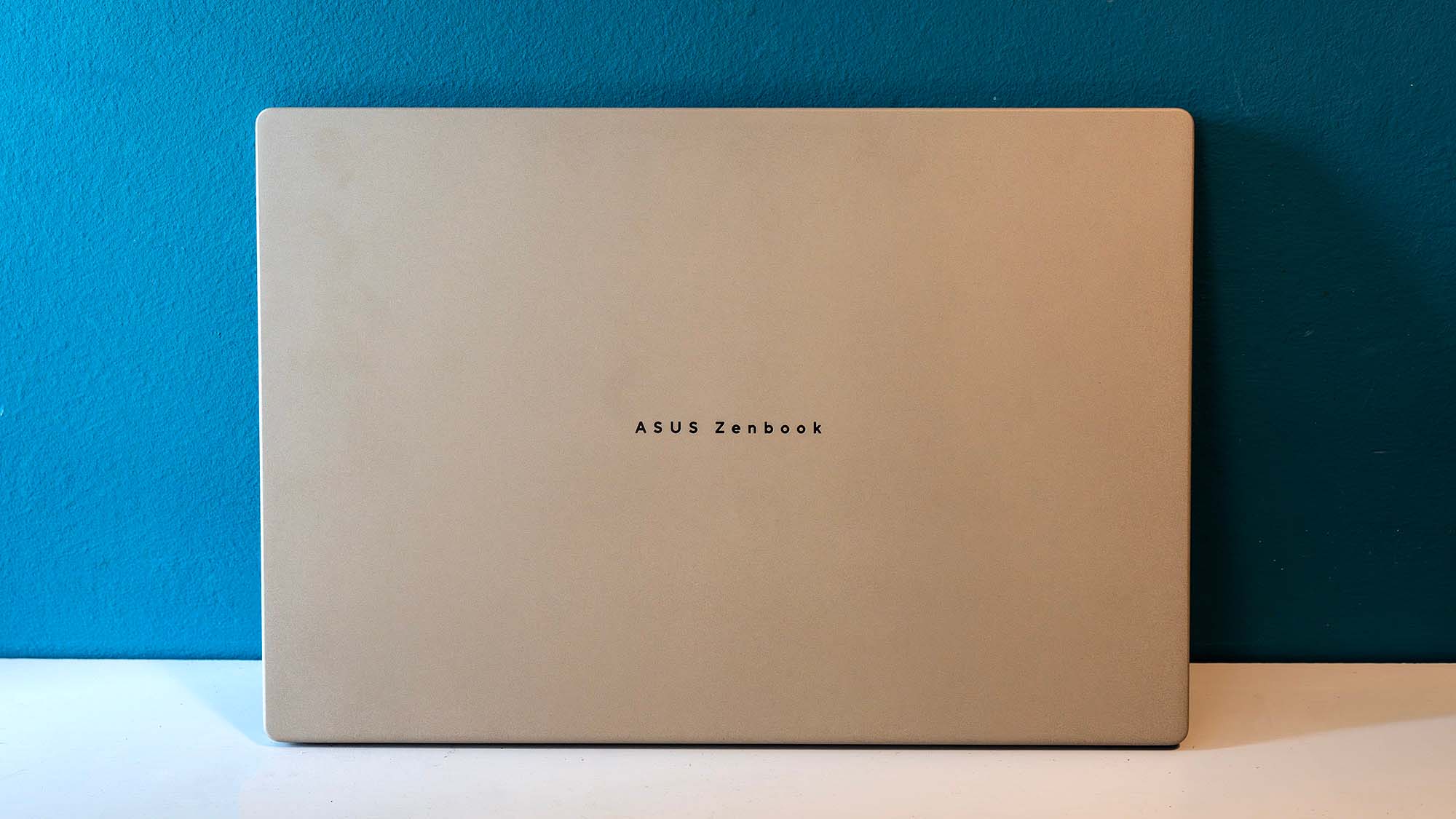
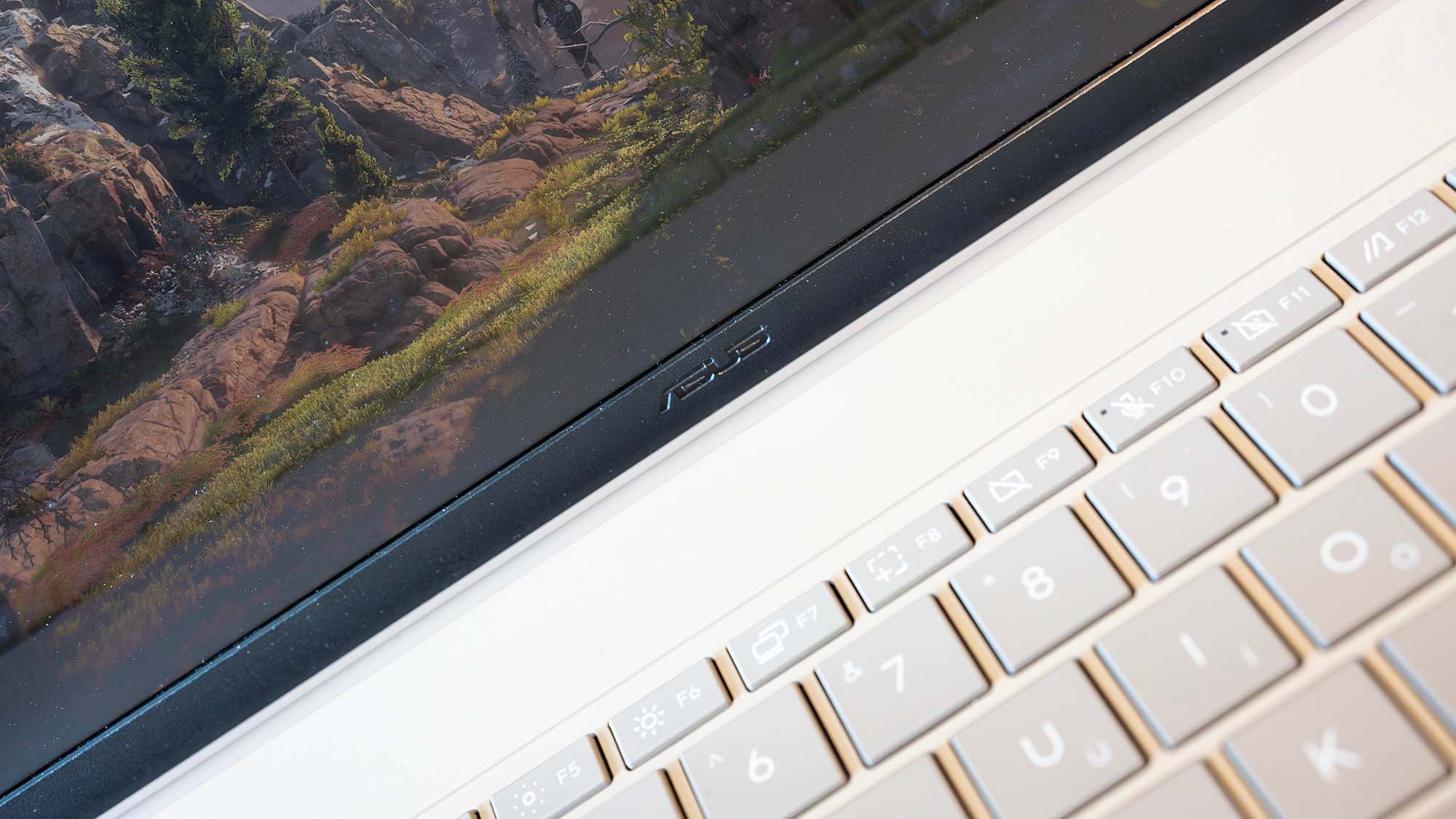
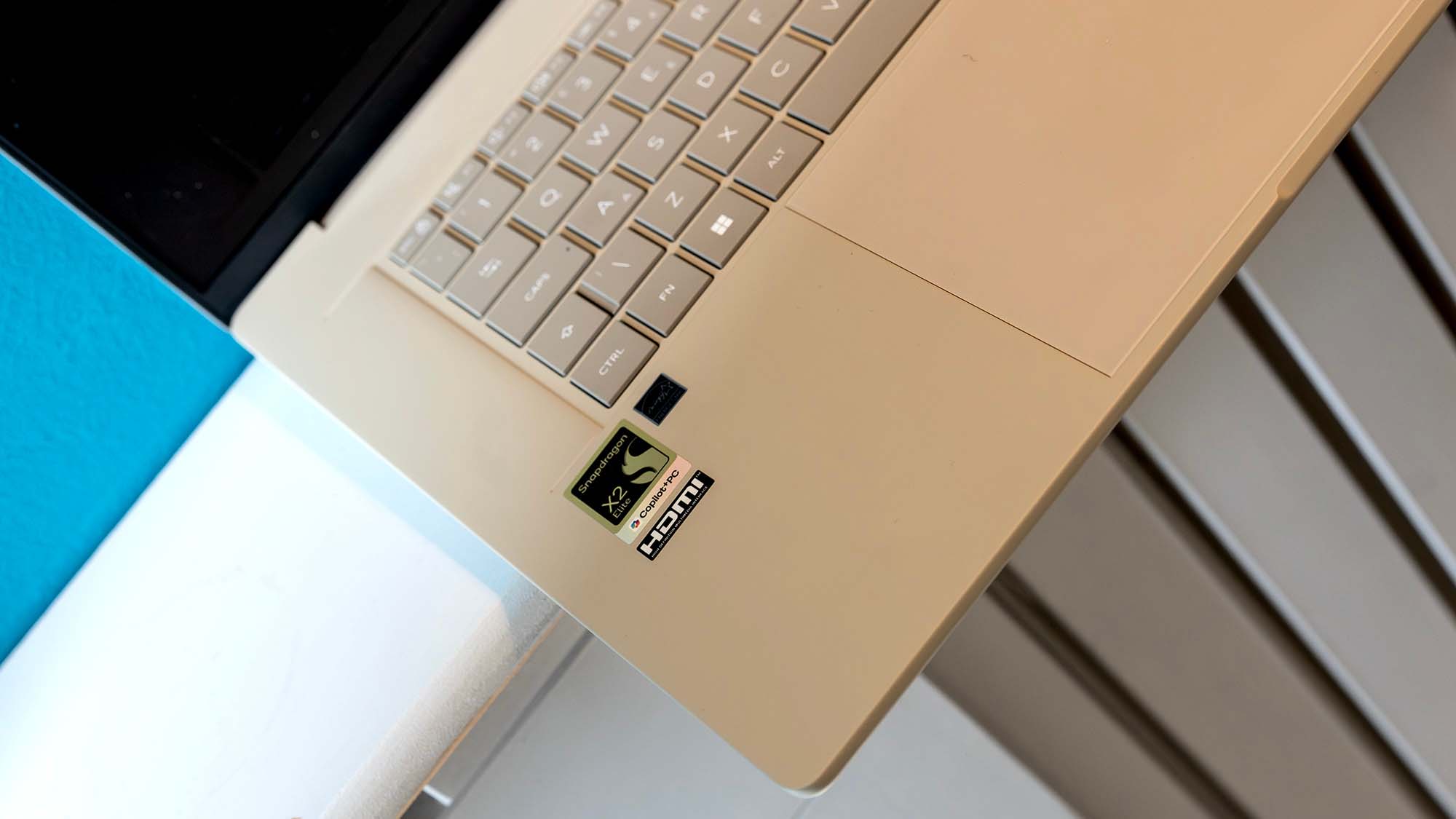
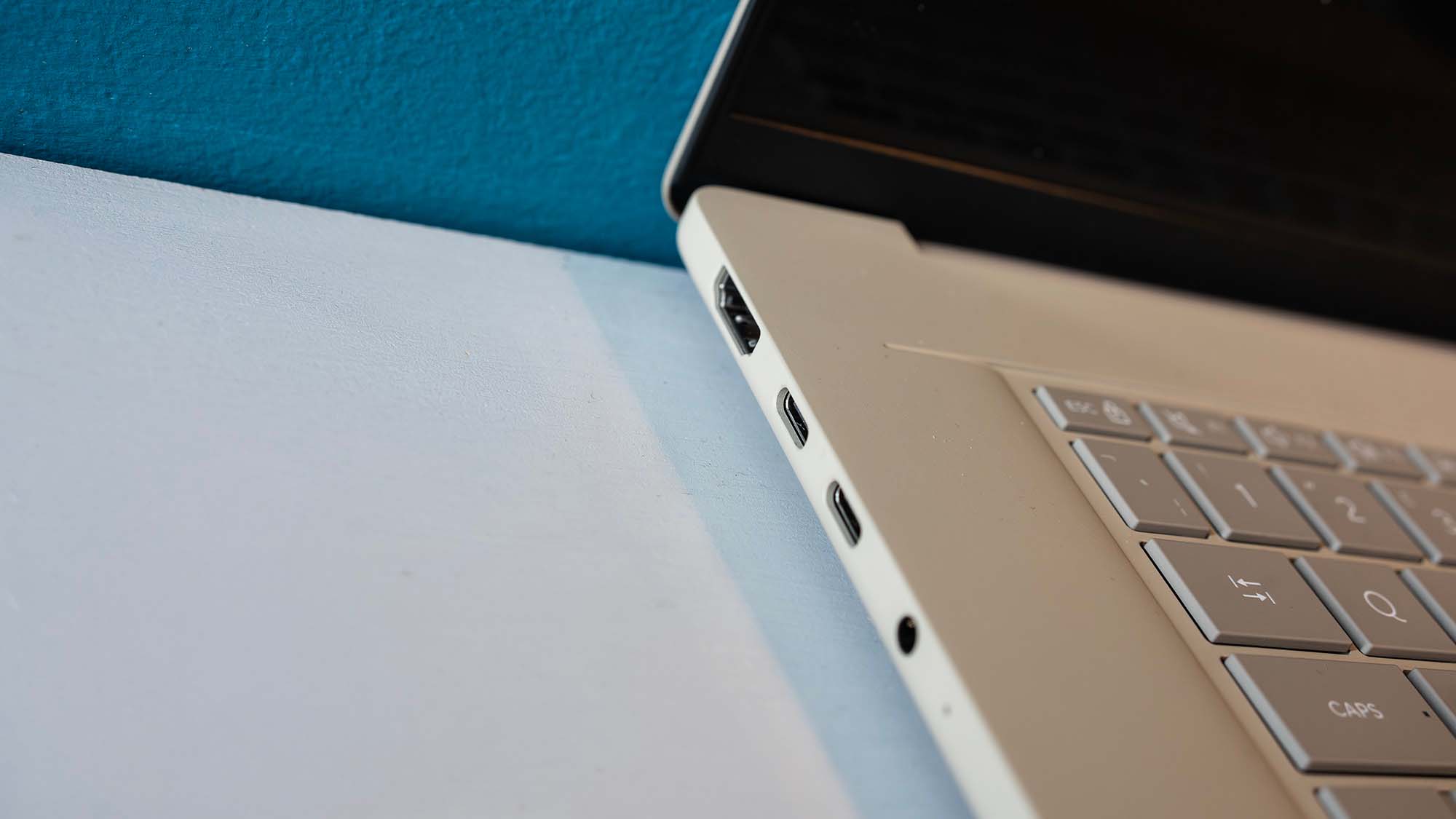
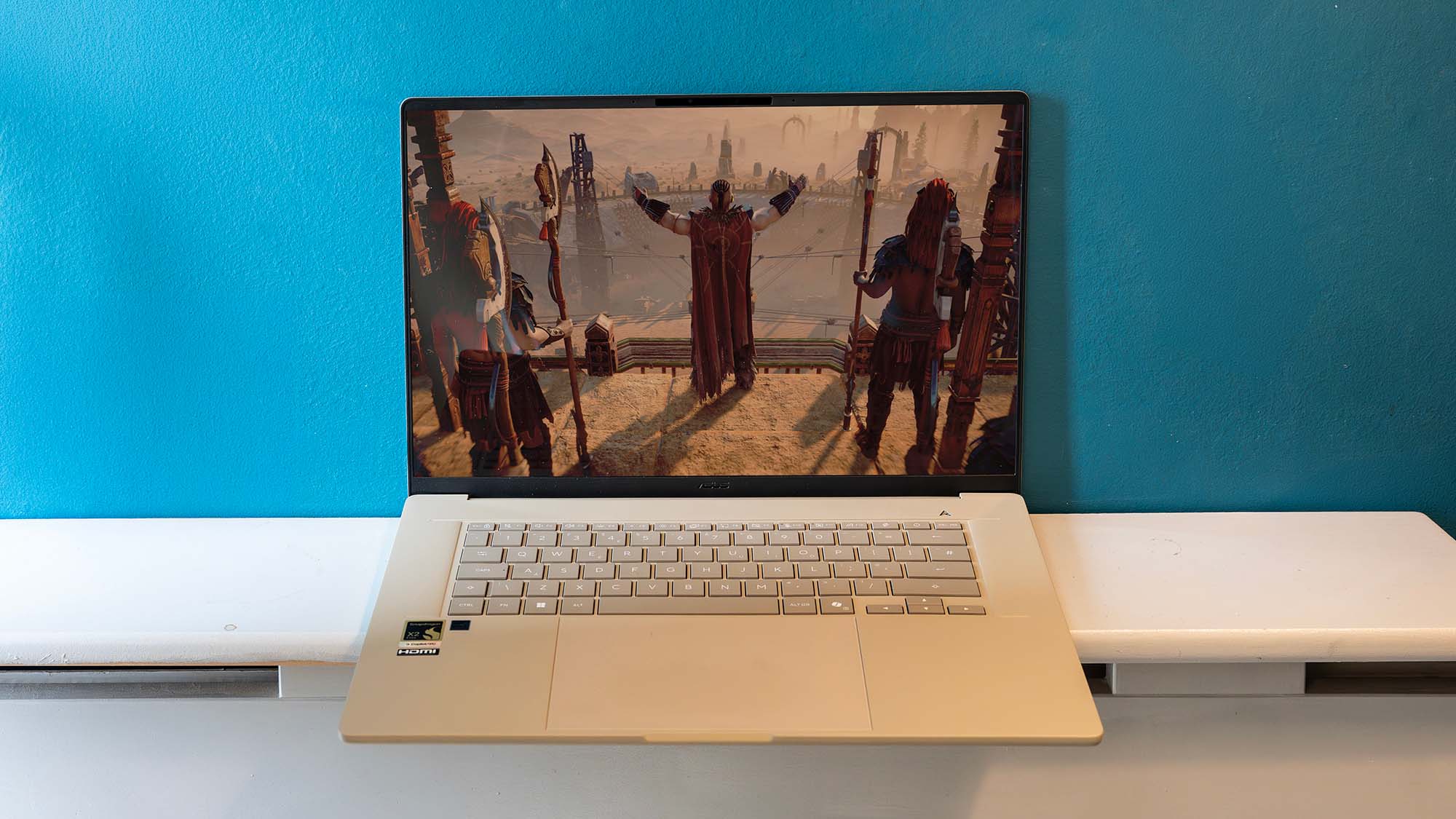
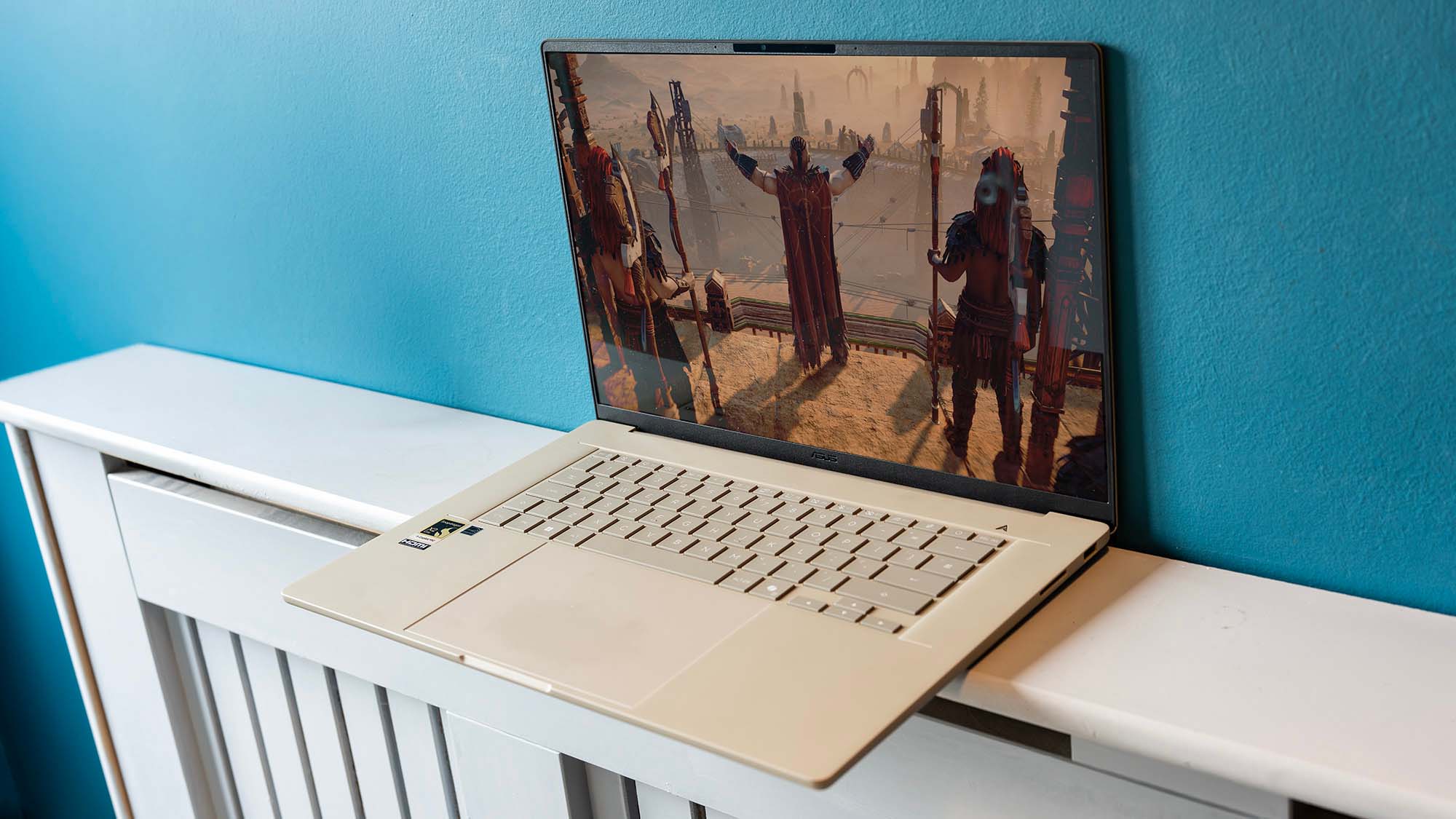
When Qualcomm released its first batch of ARM-based Snapdragon X processors two years ago, they worked well enough, but failed to set the PC gaming world on fire. It's not really what they were meant for, and if decades of buying computer parts have taught me one thing, it's never to buy into the first generation of a new product. I still do it, of course, as the Oculus Rift sitting unloved in its box shows, but I'm always left with the feeling that I should know better. The main downside of the OG Snapdragon, once software compatibility issues were smoothed out, was its GPU. The Adreno cores buried somewhere in the chipset felt underpowered for anything heavier than Stardew Valley, and while DirectX and Vulcan compatibility was high, and driver updates refined the process, some games just didn't work. With the release of the Snapdragon X2, a few things have changed. The main one is that the CPU package now comes with a lot more processing cores—18 on the Elite Extreme model we've got here—but the GPU is also a lot better. It's now putting out the sort of benchmark results you'd expect from Intel iGPUs, and in some tests can even produce better results than Panther Lake. CPU Qualcomm Snapdragon X2 Elite Extreme NPU Qualcomm Hexagon (80 TOPS) Graphics Qualcomm Adreno Memory 48 GB Storage 1 TB SSD, MicroSD Screen size 16-inch Screen type OLED Resolution 2880 x 1800 Refresh rate 120 Hz Ports 2x USB4, 1x USB 3.2 Type-A, 1x HDMI 2.1, 1x 3.5mm audio Wireless connectivity Wi-Fi 7, Bluetooth 5.4 Dimensions 353 x 242 x 14 mm Weight 1.2 kg Price ✅ Gaming is of secondary importance: If you just want to be swanking around with one of the latest and greatest productivity laptops, and showing off just how long your battery life is, the ZenBook delivers. ❌ You like to play games on something more than medium settings: The Adreno iGPU is still the weakest part of the package, and so is the game support side of things. The ASUS ZenBook A16 we're looking at here is one of the first Snapdragon X2 laptops on the market. It boasts the Elite Extreme version of the chip, a name that makes you wonder where they're going to go next if they release an even better one. Elite Extreme Pro Max Gold Caviar Truffle Edition, perhaps. This one has 18 cores, and according to CPU-Z 12 of those are Performance cores running at 4.4 GHz, with the other six being Efficient cores running at 3.6 GHz. That's a lot of cores, and with ARM chips' ability to produce exceptional single-core performance (as shown by Apple's M5 last year) I had high hopes for this one. And I was right. The X2 doesn't hit the same Geekbench 6 heights as the M5, but it's close, and beats the desktop Core Ultra 7 265KF and mighty Ryzen 9 9955HX in the single-core test. It beats those chips in the Geekbench multi-core test too, along with the Core Ultra 9 275HX from the Alienware 16 Area 51, and roughly the same as the 14-core M4 Pro in a 16in MacBook Pro. The elephant in the room here is Panther Lake, which is going to be appearing in new laptops at the same time as the X2. And in Geekbench, the X2 and Core X9 388H both score over 3,000 points in the single-core test, with the X2 marginally in front, but in multi-core the gap widens, probably because the Intel chip only has four of the full-fat performance cores and 16 in total. It scores 17,924. The X2: 22,785. That's a difference of almost 24%. Moving over to the Cinebench single-core CPU rendering test, which has been known to bring laptops to their knees and in which 100 is a respectable score, the X2 scores 151. A laptop running the X9 388H scores 130 in this test, and the multi-core rendering workout goes the same way, with the X2's 1391 beating the Panther Lake chip's 1173. All this is assuming, of course, that the same tests applied to different CPU architectures can be directly compared. Geekbench has been designed for this, though as more of a tool for plotting broad relationships rather than a perfect one-to-one comparison between PCs. All that single-core performance makes the ZenBook A16 very responsive, and if Microsoft's new Low Latency Profile makes its way to Windows on ARM it should make things even better. The fact that Asus has paired Qualcomm's X2 with 48 GB of fast RAM certainly helps too. Things are looking quite good for the ARM chip until you remember it still uses an integrated Adreno GPU, and we have yet to see one that's paired with a discrete graphics chip. Still, it's not bad for an iGPU, supporting DX12 Ultimate and Vulkan 1.4, and putting out enough frames to play games in 1080p as long as you don't mind medium to low settings. Cyberpunk 2077 looks surprisingly good on medium, and while there are some shimmering textures in Blackmyth: Wukong, it doesn't struggle too badly as long as you remember to switch FSR upscaling on. Older titles such as Horizon: Zero Dawn look like what they are: PS4 games (albeit ones running at nearly 60 fps in this case, rather than the locked 30 fps of the console version). But it's great to see the Adreno is capable enough to play them as they were originally meant to be seen. There are still some issues with the occasional game—F1 2024, for example (and this might be a different story with a more up to date release), putting up a notice that it's not compatible with ARM processors. This could also be because it's a fairly new processor at the time of writing, and a few software patches and driver updates will sort it right out. On the outside, this is an unassuming laptop, though as a 16-incher it has a presence that you just don't find in smaller models. It's a kind of beigy grey, which isn't utterly unpleasant but certainly stands out from all the black and silver casings out there, and is made from Asus' Ceraluminum material that's some sort of unholy amalgam of aluminium and ceramics. It has a matte feel, and makes the A16 extremely light, but it's also stiff enough to handle by the corner without the trackpad becoming non-functional. That trackpad is a big one, too, smoother than the surrounding casing but the same colour, and a better experience than the keyboard, which doesn't have much travel and is the worst aspect of this particular package. The screen, however, might be one of the best. It's a 2.8k 16:10 OLED, not a touch-sensitive one, with a 120Hz refresh rate. It's sharp, bright (500 nits), colourful and all the things a laptop screen should be. Battery life is exceptional—at least it is if all you're doing is looping a video, at which it kept going for almost 17 hours. Make it work a bit harder and that's going to drop, and there's a fan to keep it cool when it's under load. So once again, Qualcomm has released a capable chip with a bit of a weak GPU, though it's nowhere near as bad as last time. Asus has then put it into a laptop with an excellent screen, though it is a little bit expensive when you could pick up something with a low-end GeForce chip for less, and have a superior gaming experience. I can't help thinking though, that if someone could teach the X2 to talk to an RTX card, even as an eGPU, then we could have something truly fearsome on our hands.Buy if...
Don't buy if...
Details
Source
Originally published at www.pcgamer.com.
Related Articles
- 'Valve isn't interested in a nuanced conversation' says indie dev suffering from Steam censorship
- 'Finally a card I can afford': Nvidia announces GeForce-themed trading cards, which are free but you'll need to travel or get lucky to win some for yourself
- What memory crisis? 79% of PC Gamer readers are rocking 32 GB or more RAM in their gaming rigs