Cooler Master V8 Ace 3DHP review
About
Overview
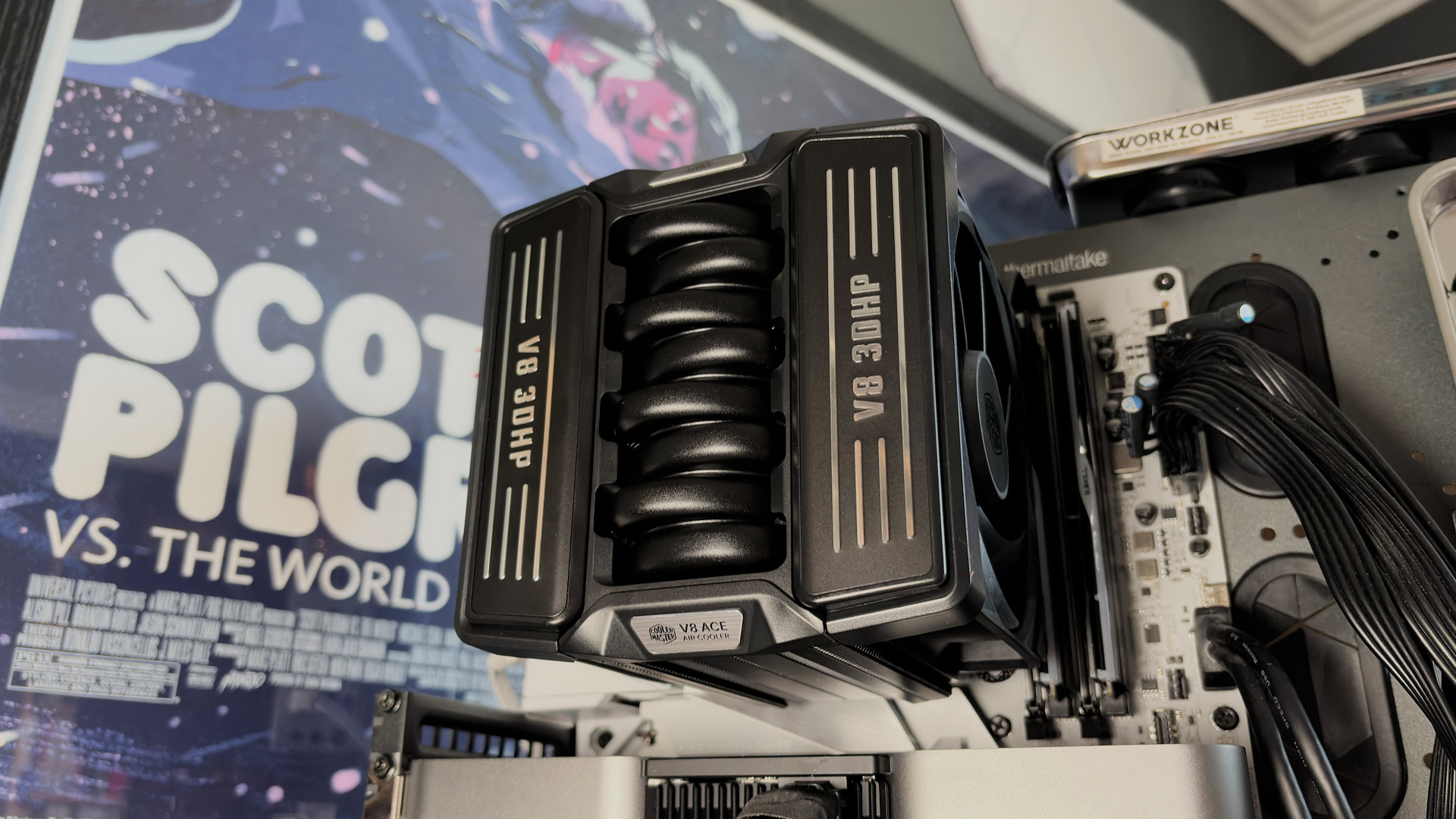
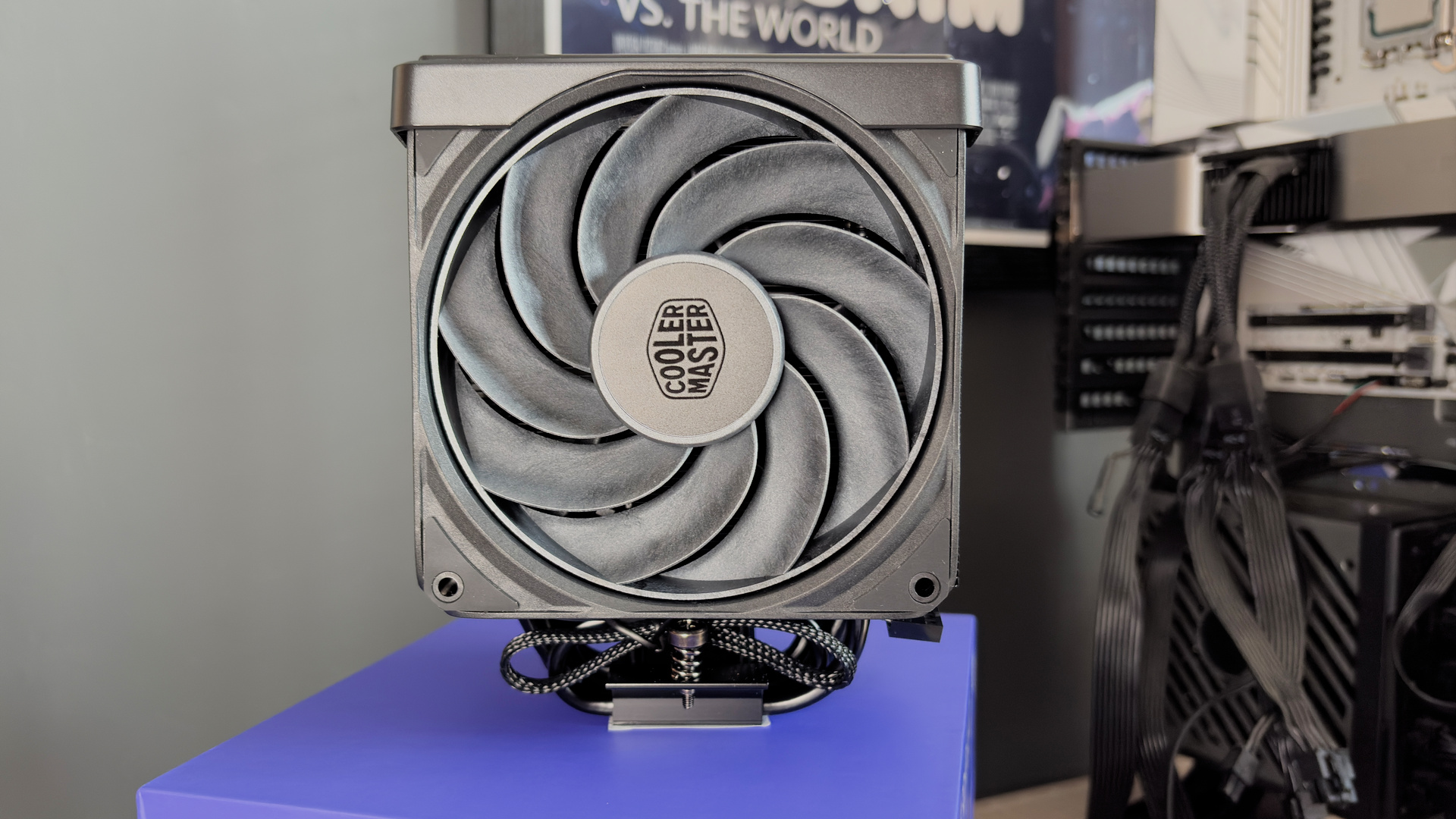
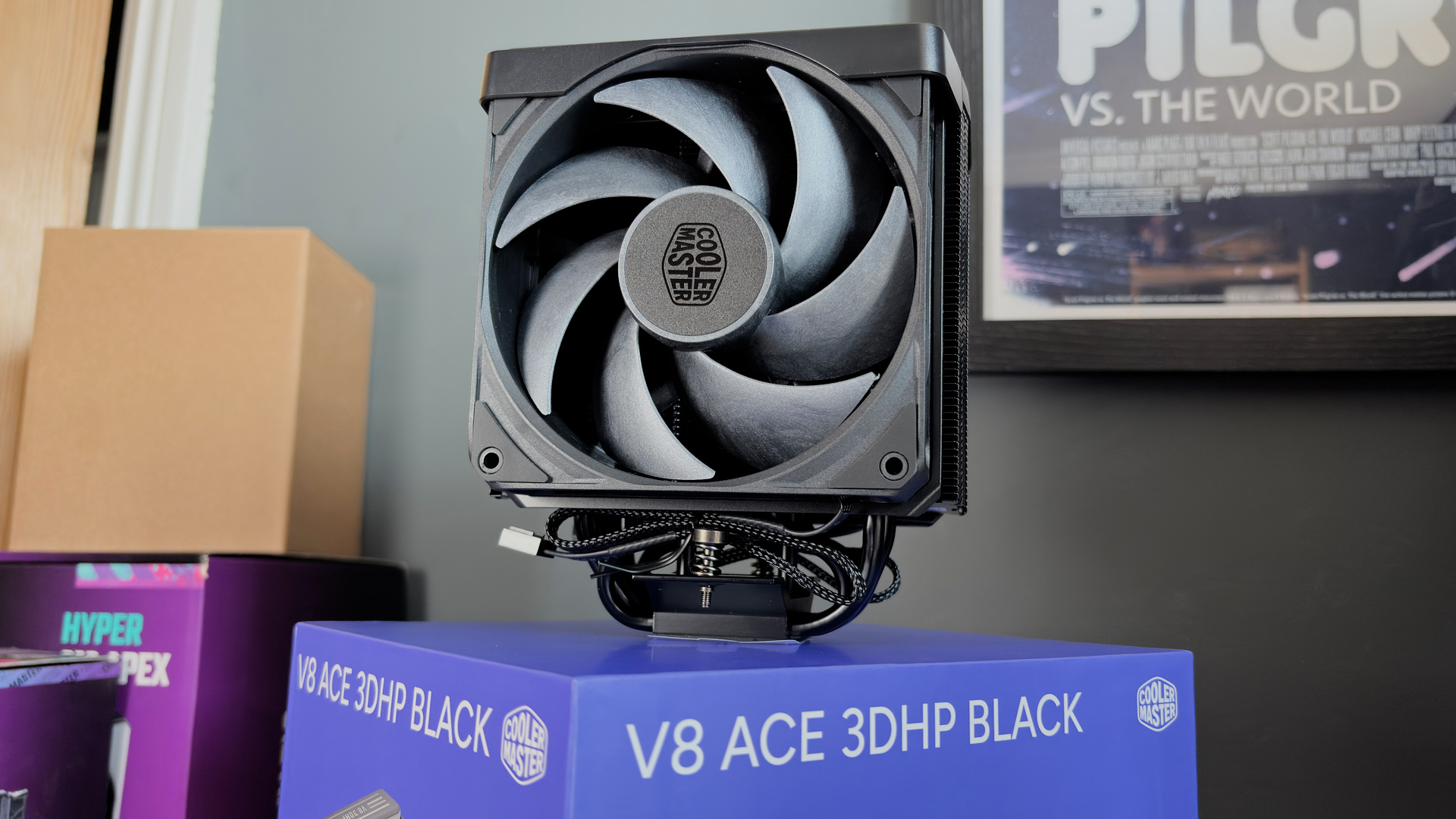
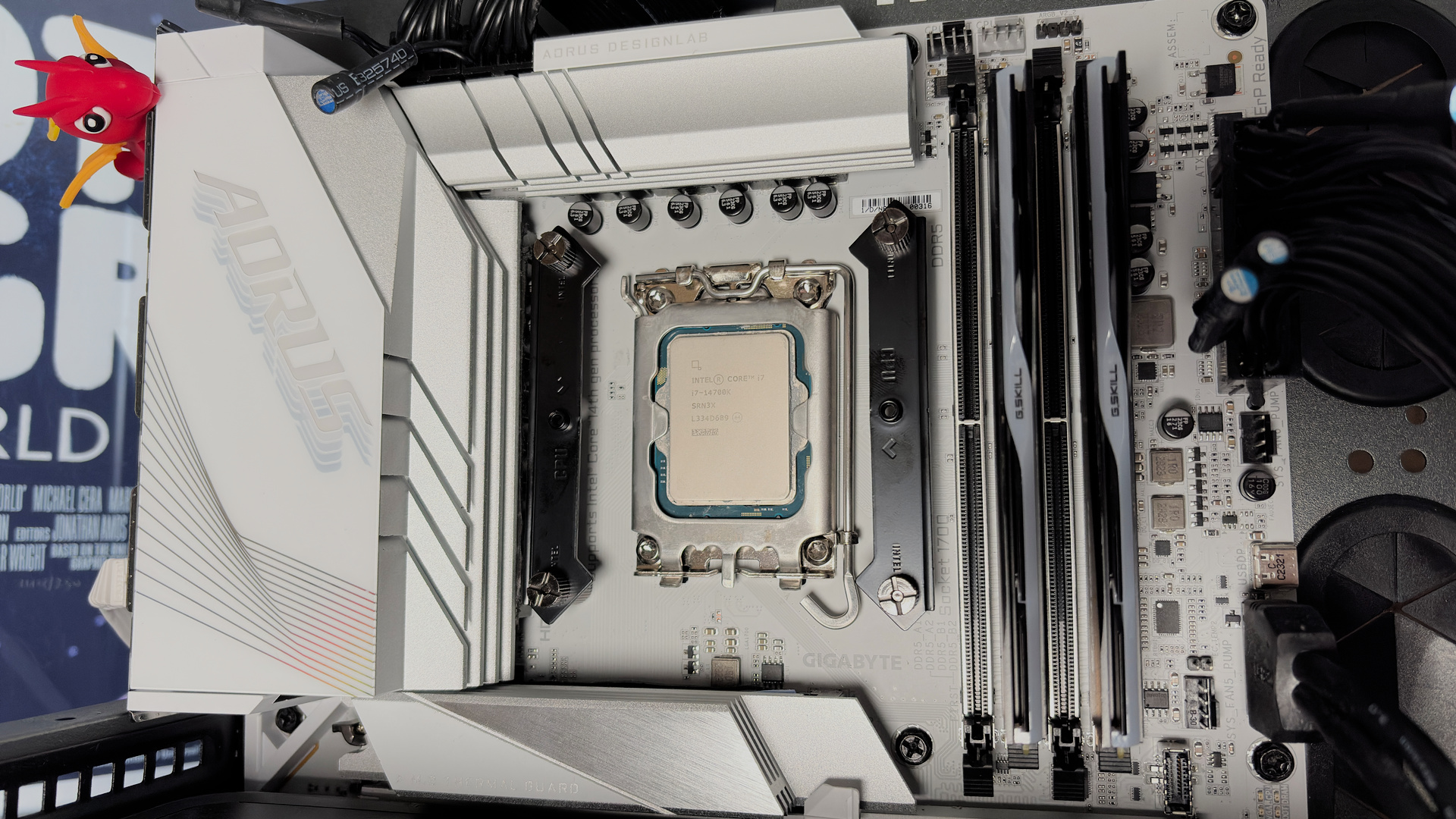
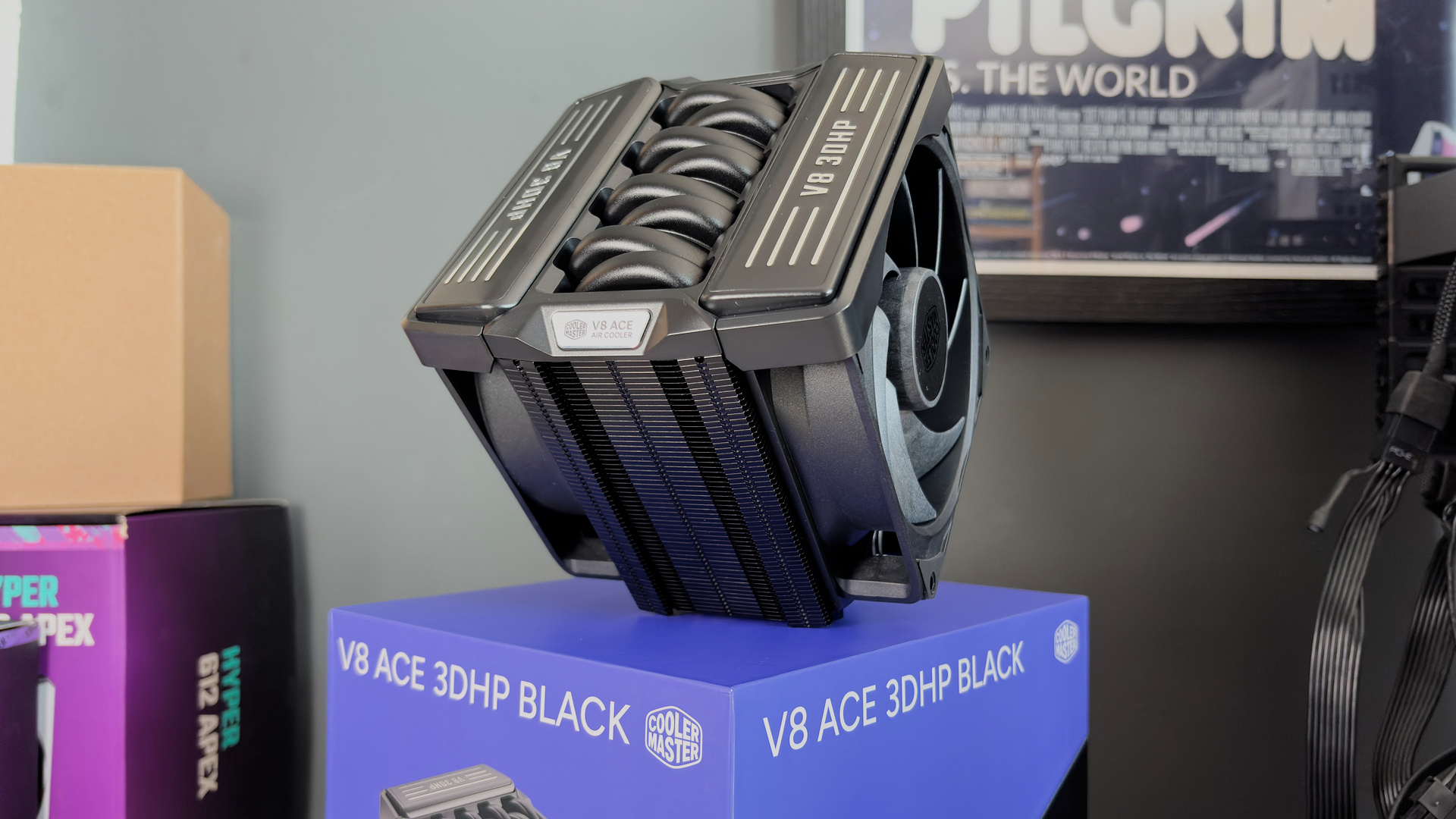
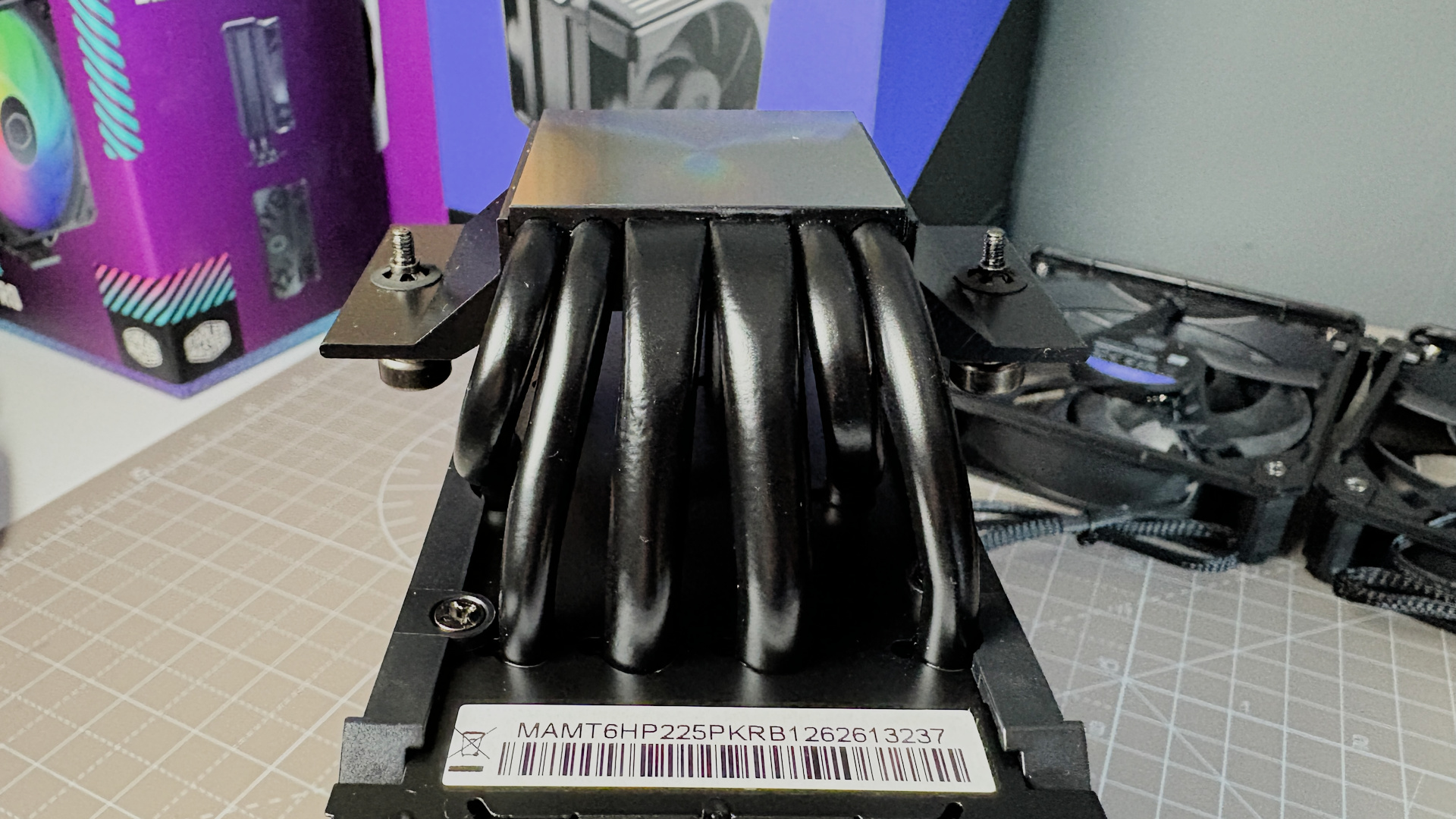
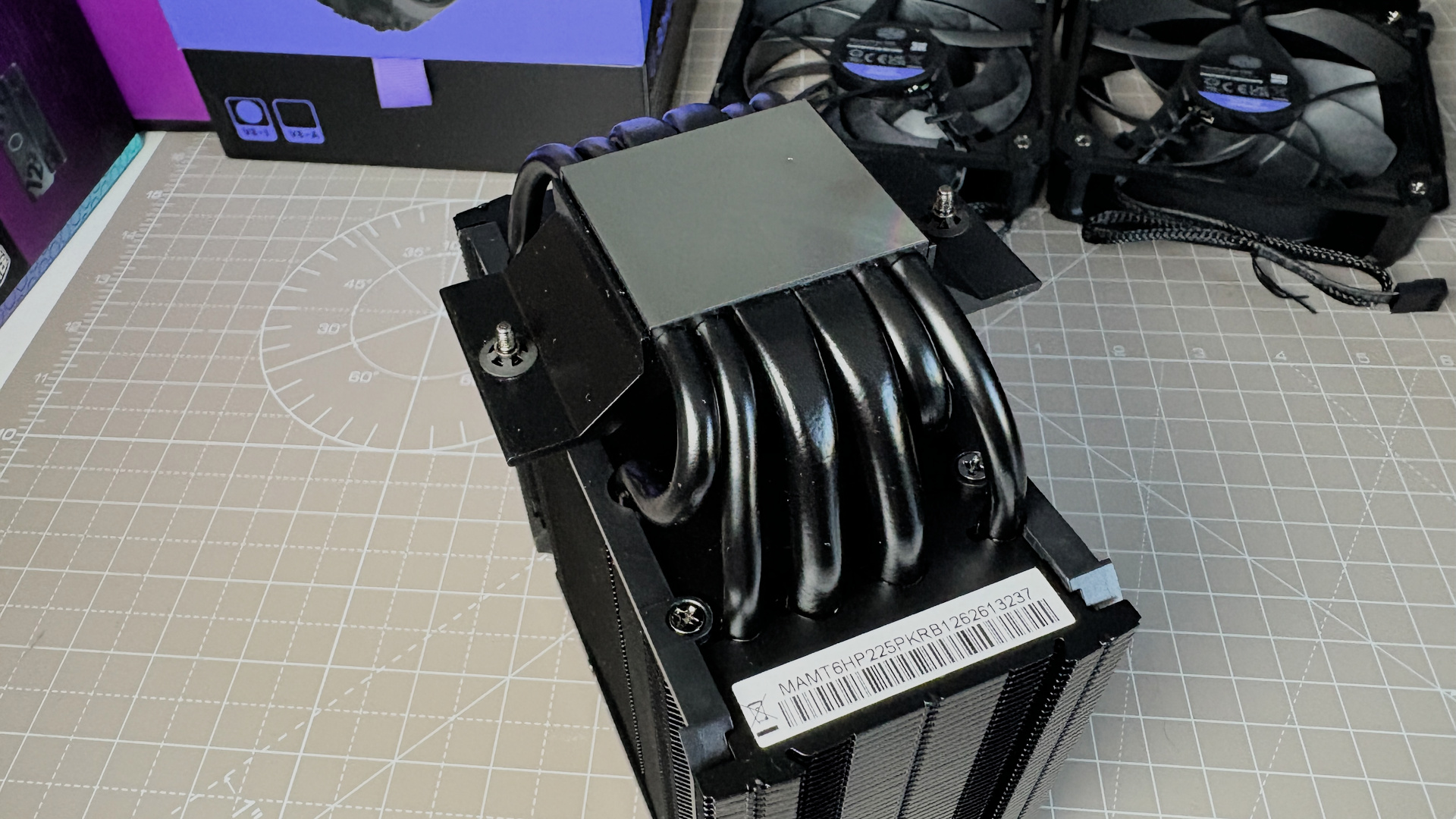
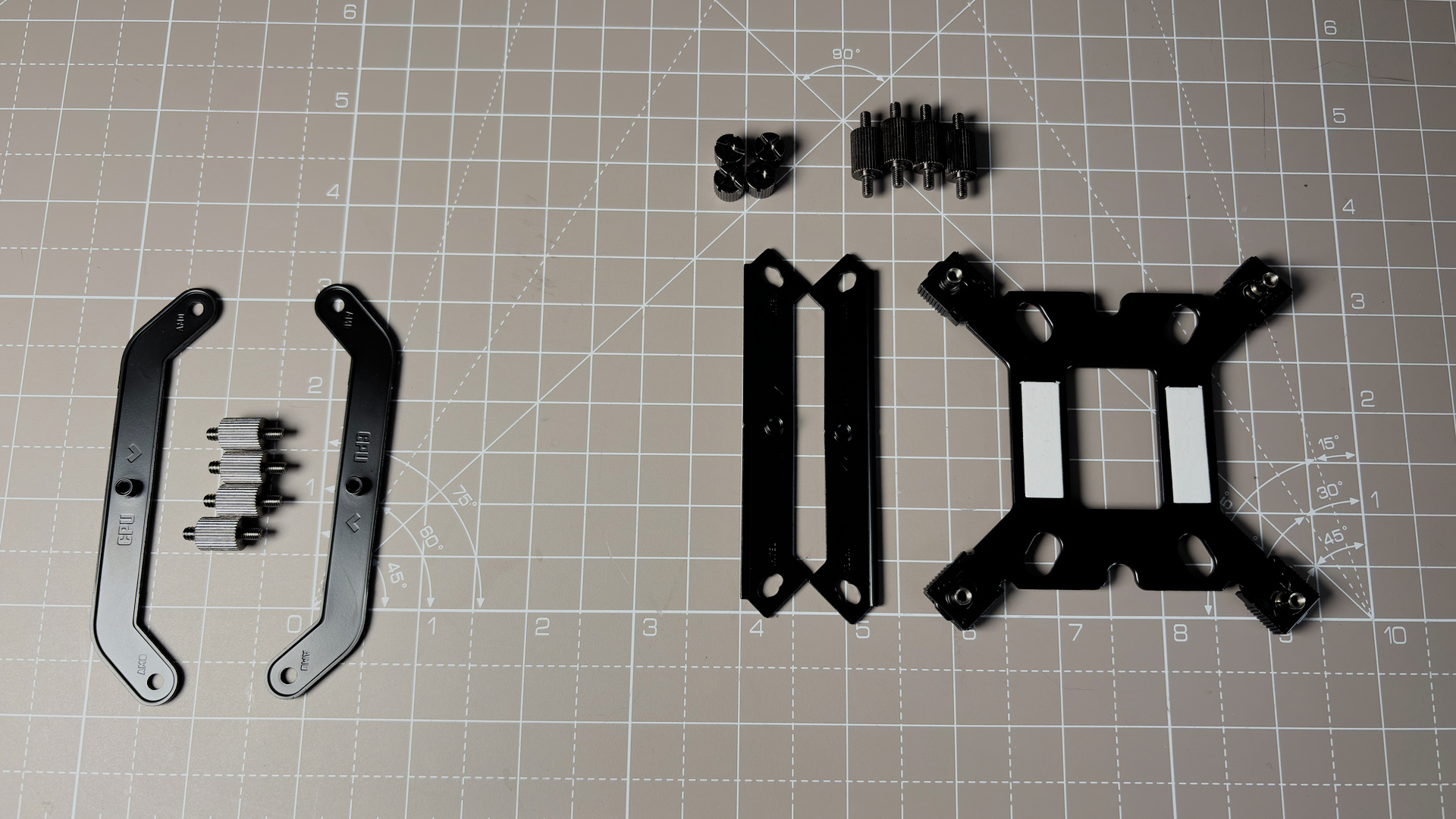
It's not often we see serious innovation in air cooling; many merely spin on tried and tested formulae. That's not the case here, however, as the Cooler Master V8 Ace 3DHP is offering something new to PC builders: 3DHP technology. I first glimpsed the 3DHP (3D Heat Pipe) tech in a backroom of Cooler Master's Taipei HQ in 2025. I was under a strict oath not to talk about anything I saw in that room, which was easy enough, as it was almost empty except for a pair of air coolers: one using a traditional U-shape heatpipe design and the other using 3DHP. The 3DHP design includes an additional heatpipe at the centre of the U-shape. The benefit of this extra heatpipe is clear through a thermal imaging camera: there's no deadzone (cool patch) in the middle of the cooler. For the V8 Ace, in particular, 3DHP is used on two of its six heatpipes—the two big ones in the middle—with the other four in a more traditional layout. Altogether, there are a lot of heatpipes running through every part of this single-tower cooler. That's the thing to remember when looking over the results from my testing with the V8 Ace 3DHP below. It's a single-tower cooler competing with the very best dual-tower coolers I've tested. That's a huge success, and just goes to show, there's still performance on the table even for an air cooler. ✅ You want the best single-tower around: The V8 Ace reaches new heights for a single-tower cooler, even closing in on very capable dual-tower coolers, such as the Noctua NH-D15 G2 and Thermalright Peerless Assassin 120. ✅ You really love cars: You won't find a cooler more befitting of a car themed build than this. I've definitely seen a few special edition cases inspired by F1 teams—make it happen. ❌ You're happy with a less polished cooler: The Thermalright Peerless Assassin is once again peerless in terms of value for money here. It's running circles around most other coolers at this level, from Cooler Master, Noctua, and Be Quiet!. It's just a bit rougher around the edges. ❌ You'd pay extra for peace and quiet: The competing Noctua NH-D15 G2 is a very quiet cooler that's proven itself tough to beat in most tests. It's huge, and expensive, but it's excellent. V8 Ace 3DHP Dimensions 138.95 × 136.47 × 167.3 mm Socket support (AMD version) AM5/AM4 Socket support (Intel version) LGA 1851/1700/1200/ 1151/1150/1155/1156 Heatpipes 2x 3DHP / 4x standard Fans 2x 120 mm Fan bearing Loop Dynamic Bearing Fan MTTF >200,000 hours Max. fan RPM 2500 (front) / 2050 (rear) Weight (grams 1,068 Price There are two versions of the Cooler Master V8 Ace 3DHP: Intel and AMD. These cover more than just the brackets in the box. They also differ on the contact they make with your choice of chip. I have the Intel option for review, which is designed "around higher sustained heat density." It also appears more concave at point of contact to better fit the—how do I say this politely—non-Euclidean shape of Intel's chips. They have been known to bend, namely the older 12/13/14th Gen chips. The AMD option is designed around "contact consistency", i.e. it's flatter. This follows the same thinking employed by Noctua with the NH-D15 G2, which also offers a model with a 'low base convexity' specially for AM5. So it's good to see Cooler Master doing something similar here to get the most out of its cooler. There are two fans included with the V8 Ace. These run at slightly different speeds and come with different ratings for airflow and static pressure. The front fan is rated to 3.85mmH2O, at 2500 RPM and 37 dB(A), which helps push the air through the stacked heatsink. While the rear fan is rated to 2.00mmH2O at 2050 RPM and 34 dB(A). Both are what Cooler Master calls 'Loop Dynamic Bearing', which to my understanding is more or less its take on fluid dynamic bearing with an idea to continually flowing back the lubricant through the bearing to extend its lifespan. Over 200,000 MTTF (Mean Time To Failure) is pretty great. Evaluating cooler effectiveness with a Core i7 14700K The V8 Ace performs excellently in my testing. It keeps a Core i7 14700K running at 1.275 V at a rather chilly 47 °C while roaming around in Baldur's Gate 3. That's only one degree higher than the Noctua NH-D15 G2, which I'll remind you is an absolutely massive cooler that costs $160. The V8 Ace delivers the second-lowest average and max temperature of the ten I've tested alongside it. It performs very well in X264, once again in the top three alongside large dual-tower coolers. Though only matching the slightly cheaper Dark Rock Pro 6. It's also a little off the mark when dealing with the intense ~180 W load of Prime95. That doesn't quite add up, as push the thermal load to ~230 W and it's once again a cut above the rest; second only to the NH-D15 G2, which remains our best performer by some margin in my latest round of retests. For a single-tower cooler, the V8 Ace is undeniably impressive. Those new and improved heatpipes are working wonders. Of the many things the V8 Ace, uh, aces, it's not value for money. In all fairness, there are very few coolers that are a match for the Arctic Freezer 36 in this regard, and especially not the $120 V8 Ace, though it's really the Thermalright Peerless Assassin 120 SE that proves the thorn in Cooler Master's side. Remove cheap from that list of attributes and it's a bit more of a niche proposition. At $40 or less, the Peerless Assassin is rather extraordinary. It matches or betters the V8 Ace in testing, likely thanks to its large size. It is loud, however, and noticeably so compared to the V8 Ace. That might be enough of a deal breaker for many. Compared to the Noctua NH-D15 G2, at least, the V8 Ace seems a touch more affordable. At $120, the V8 Ace is in the upper echelons for air coolers. I hold that air coolers still have a place in the cooling market, so dominated by liquid coolers today, as a more reliable, quieter, and often cheaper option. Remove cheap from that list of attributes and it's a bit more of a niche proposition. This cooler may look like a V8 engine, but it certainly doesn't sound like one. It's roughly on par with the Be Quiet! Dark Rock 6. It's louder than Noctua's NH-D15 G2, using Noctua's excellent G2 fans; and the Arctic Freezer 36, which uses two of Arctic's older, quieter P12 PST PWM fans. However, it's quieter than the Thermalright Peerless Assassin 120 SE. All were tested in the same conditions at around the same time, with a noise floor consistently around the 35 dB(A) mark. The V8 Ace is very easy to install. I can only speak to the process with the Intel variant, but that's usually more involved compared to an AMD socket. It only requires a rear bracket, a couple of double-ended thumbscrews, two mounting brackets, some thumbscrews, and then tightening the cooler atop of all that with the two captive screws provided. That sounds like a lot, but it's ready to go in under five minutes on my test bench. The included fans are on rails to make it easy to remove them and reinstall them during the installation process. These also seem to be user-replaceable, in that the fan is attached to the sliding frame using four regular fan screws. That's very useful if you need to replace a dud fan down the line and there are no exact replacements available. The V8 Ace is fairly symmetrical, with equal distance between both left and right fans to the middle of the cooler. That means it does overhang across the top of my RAM kit, which is thankfully pretty low. You could easily make way for a taller RAM kit by sliding the fan upwards a touch, though in doing so, it sorta ruins the V8 engine aesthetic. Better to just use a lower-profile RAM kit. The V8 Ace is thinner than the Noctua NH-D15 G2, which is a benefit of the single-tower design. However, it is pretty much just as tall. So if you're worried about an oversized air cooler not fitting inside your case, the V8 Ace might not entirely solve that problem. Similarly, at just under 1.1 kg, it's a fairly hefty thing itself—one to uninstall if you're driving anywhere with your PC in the backseat. Speaking to Cooler Master at Computex, I get the vibe that the V8 aesthetic is hit-or-miss with the PC building crowd. I like it, personally, as I don't care for RGB lighting and it blends in nicely with a range of standard parts. It does look a little cheaper than it should, I suppose, but it reminds me of a time when PC parts weren't afraid of being a little cheesy. If it really isn't for you, Cooler Master has included 3DHP on a couple other coolers, such as the Hyper 212 3DHP and V4 Alpha 3DHP. The V4 doesn't look like an engine, for the record.Buy if…
Don't buy if…
Features
Performance
Thermals
Product Value Cooler Master V8 Ace 3DHP Black 51 Max °C, 47 Avg °C Arctic Freezer 36 54 Max °C, 51 Avg °C Arctic Freezer 36-S A-RGB 54 Max °C, 51 Avg °C Be Quiet! Dark Rock 5 57 Max °C, 53 Avg °C Be Quiet! Dark Rock 6 54 Max °C, 50 Avg °C Be Quiet! Dark Rock Pro 6 54 Max °C, 48 Avg °C Cooler Master Hyper 212 59 Max °C, 57 Avg °C Cooler Master Hyper 612 Apex 53 Max °C, 48 Avg °C Noctua NH-D15 G2 50 Max °C, 46 Avg °C Thermalright Peerless Assassin 120 SE 52 Max °C, 48 Avg °C 
Details
Value
Noise
Noise
Fan noise | 40 cm away
Product Value Cooler Master V8 Ace 3DHP Black 48 @100% (dBA), 35 Noise floor (dBA) Arctic Freezer 36 40 @100% (dBA), 35 Noise floor (dBA) Arctic Freezer 36-S A-RGB 47 @100% (dBA), 35 Noise floor (dBA) Be Quiet! Dark Rock 5 49 @100% (dBA), 35 Noise floor (dBA) Be Quiet! Dark Rock 6 49 @100% (dBA), 35 Noise floor (dBA) Be Quiet! Dark Rock Pro 6 48 @100% (dBA), 35 Noise floor (dBA) Cooler Master Hyper 212 44 @100% (dBA), 37 Noise floor (dBA) Cooler Master Hyper 612 Apex 45 @100% (dBA), 37 Noise floor (dBA) Noctua NH-D15 G2 (Standard Version) 44.5 @100% (dBA), 35 Noise floor (dBA) Thermalright Peerless Assassin 120 SE 50 @100% (dBA), 35 Noise floor (dBA) Gallery
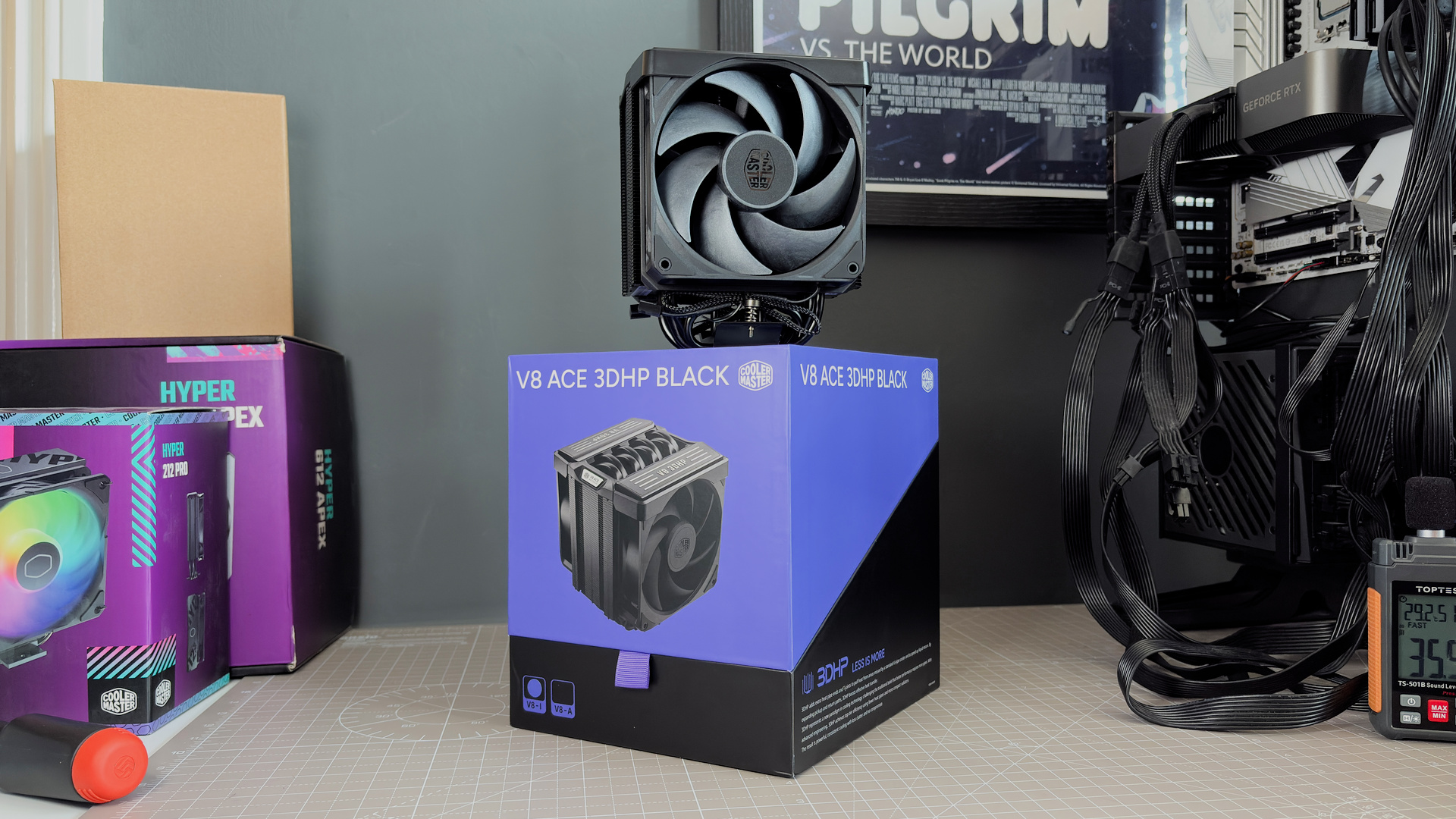
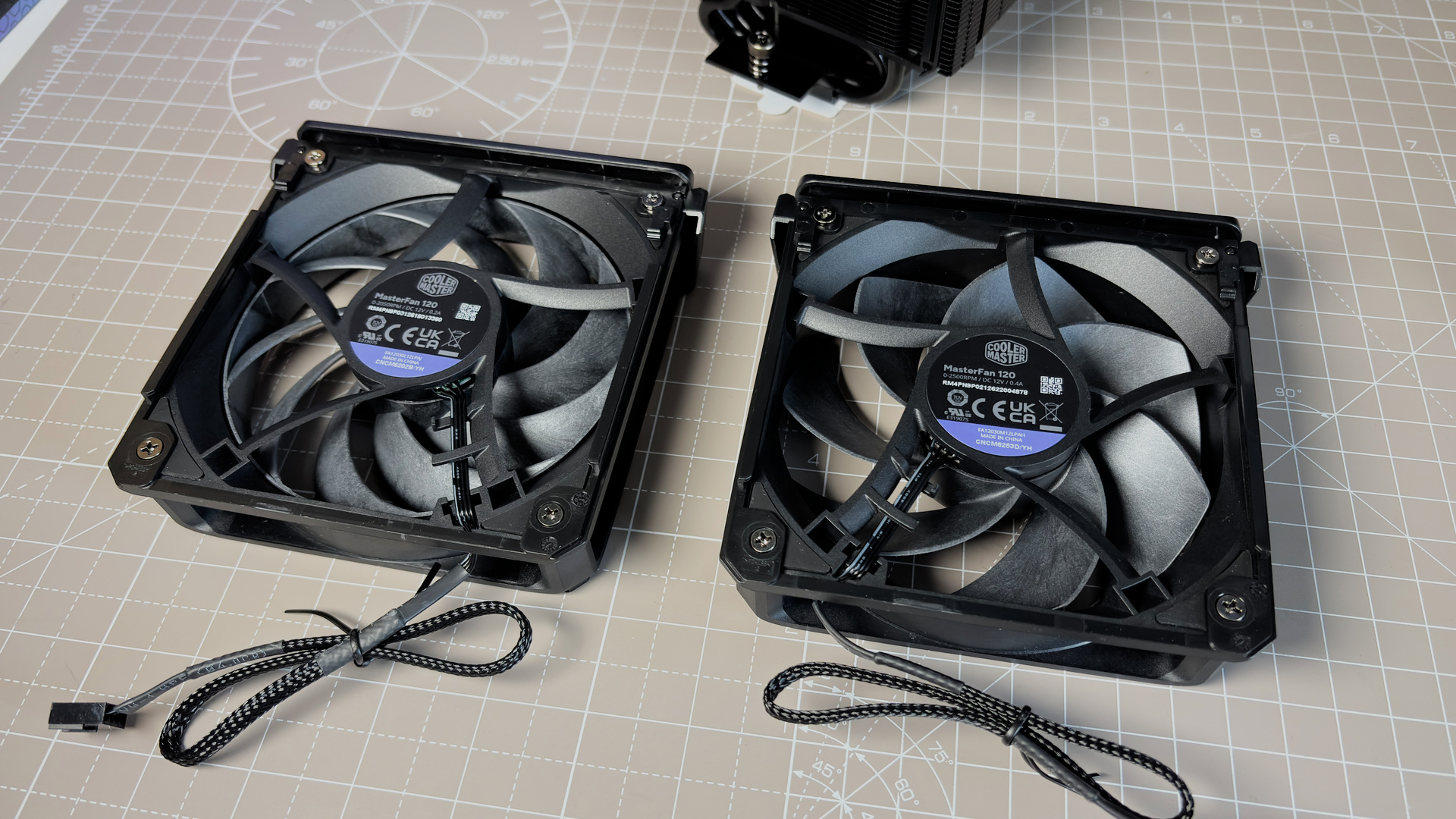
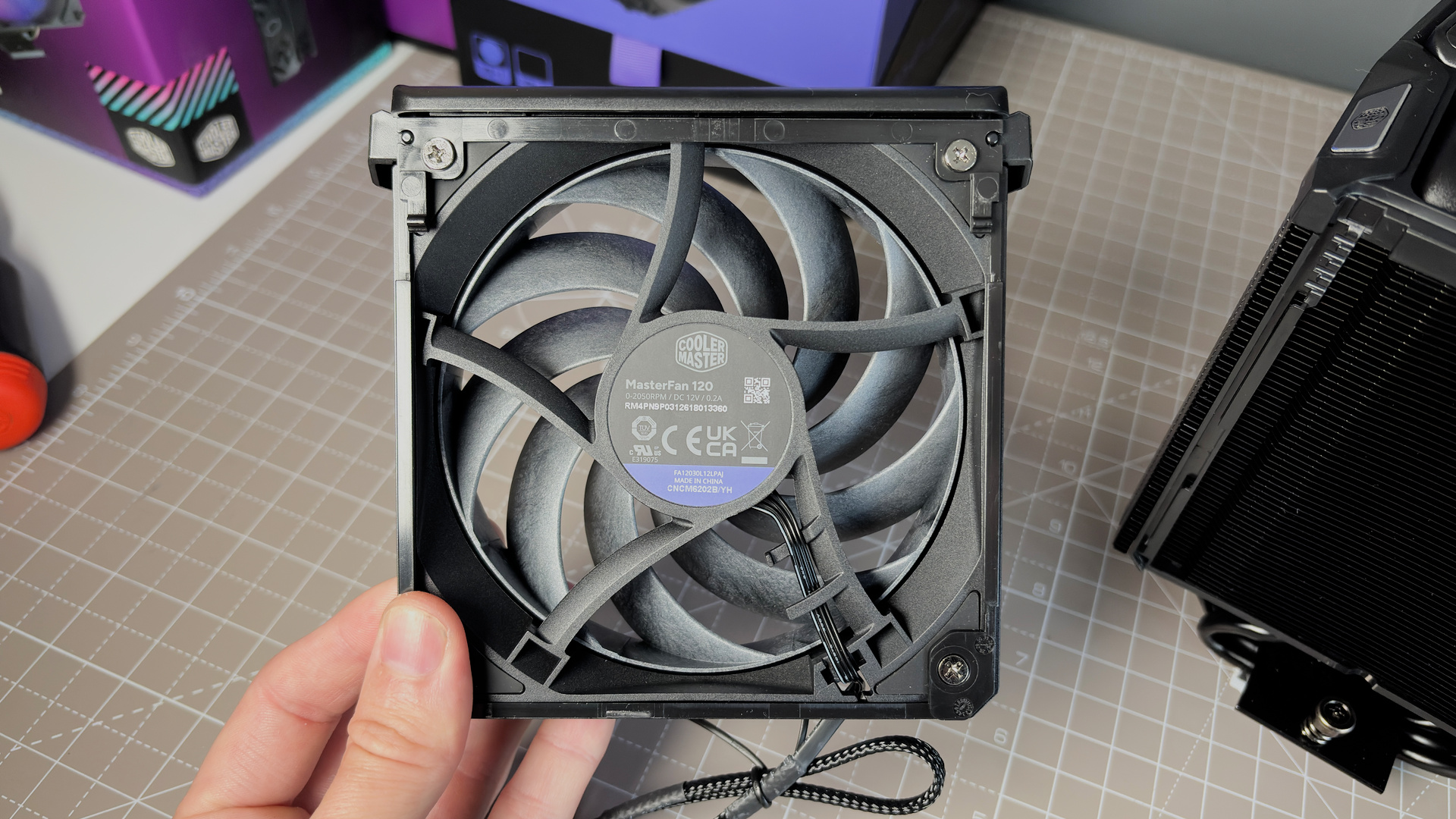
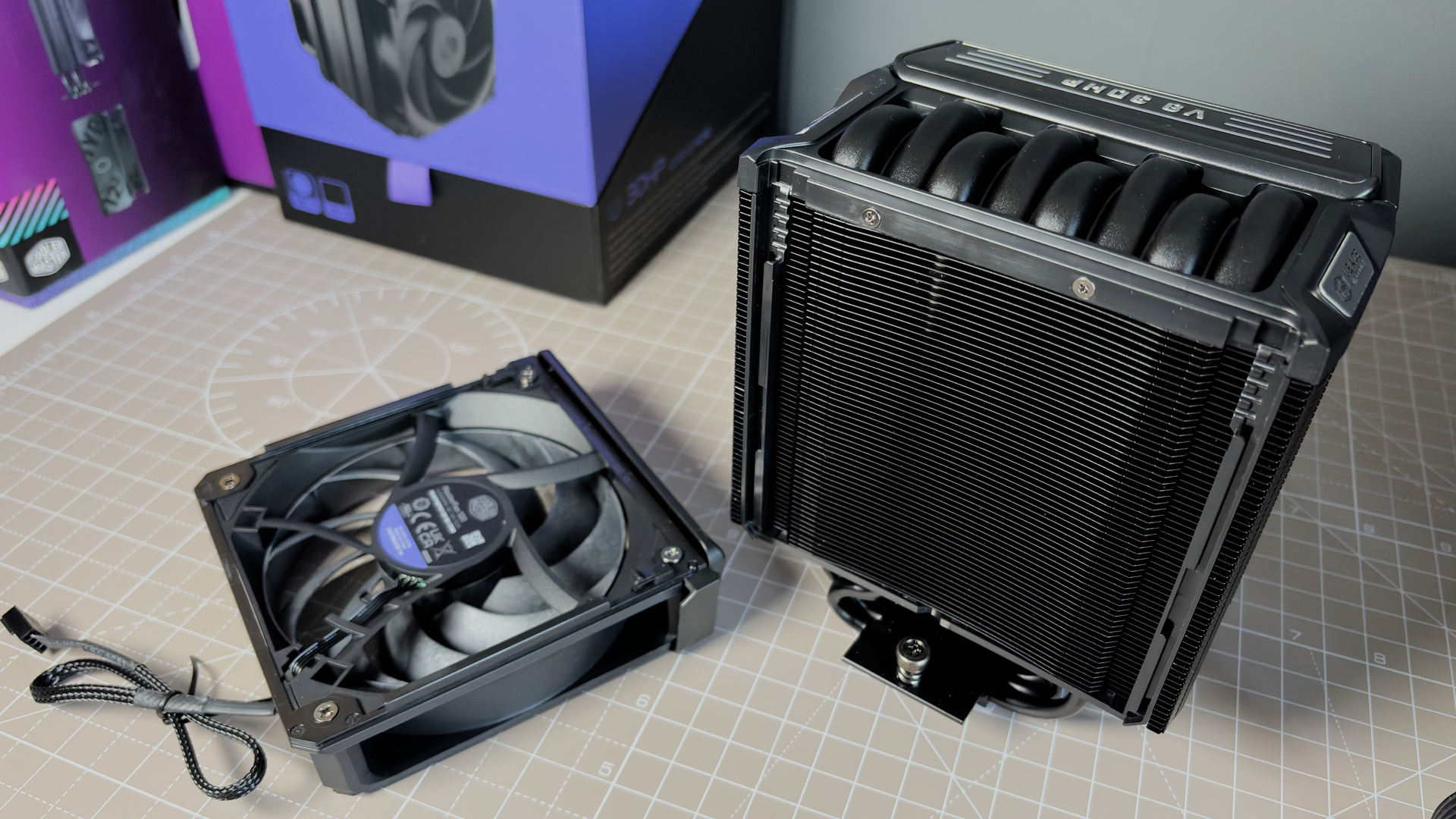
Installation
Aesthetic
Source
Originally published at www.pcgamer.com.
Related Articles
- Keychron's gaming mouse firmware is going open-source, while the company critiques 'firmware you can't read, can't audit, can't change'
- FF14's new zone has a creepy backrooms void tucked just underneath it, filled with horrible milky ruins and what I deem to be far too many arms
- Marvel Tōkon devs vow to fix performance issues for launch day next week: 'To our PC players, message received'