I'm not worried about Fallout: New Vegas 2, because Obsidian knows how to make the best out of a bad situation
About
Overview
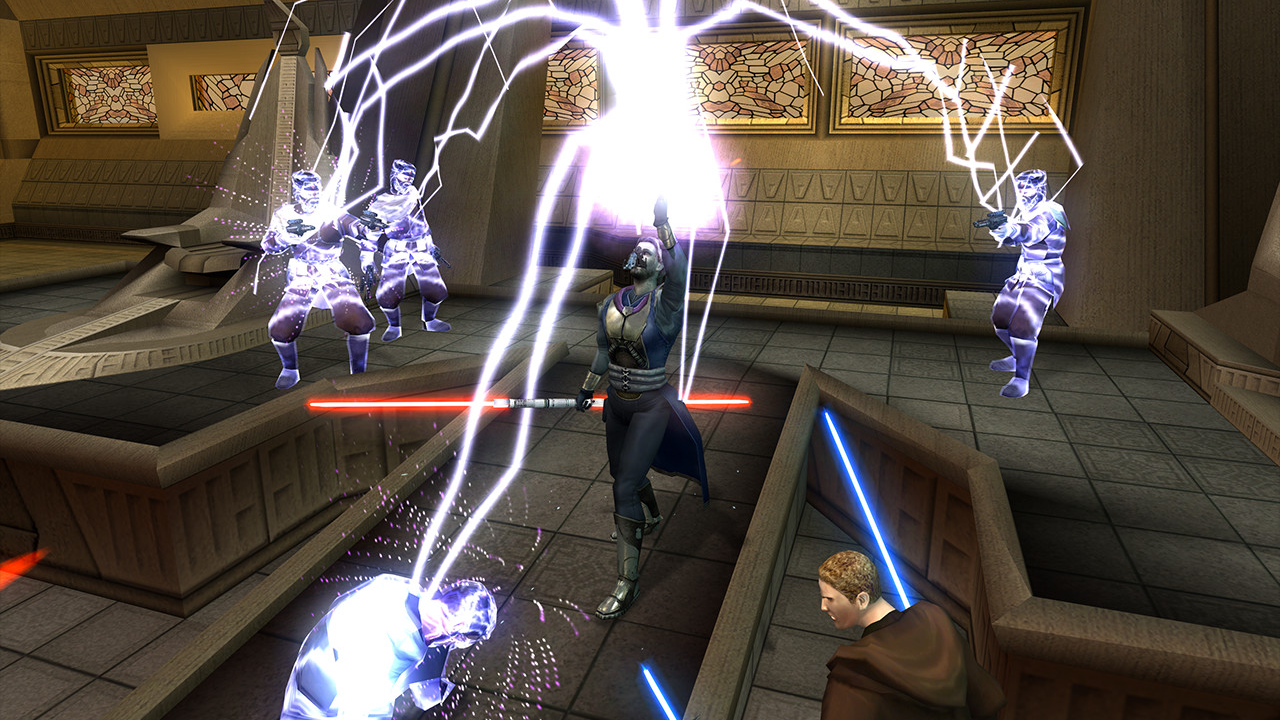
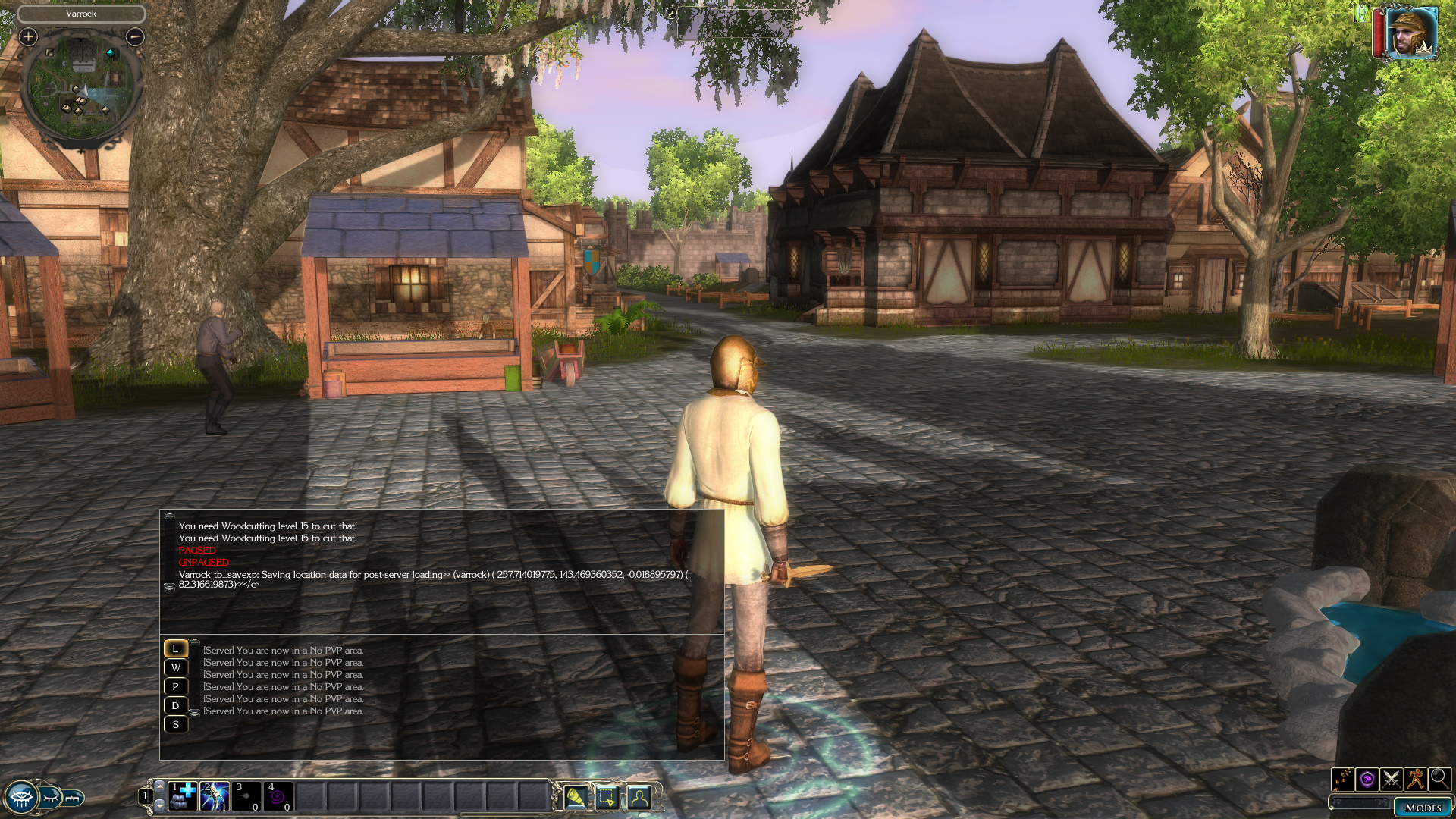
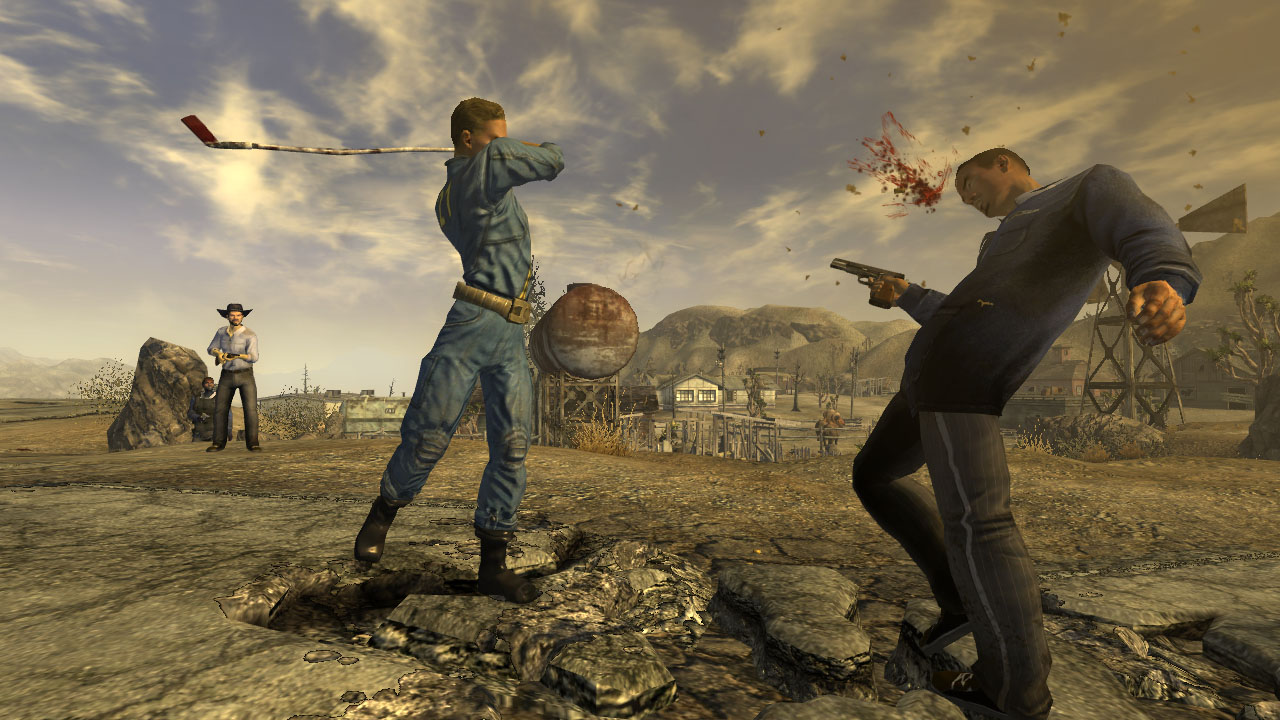
Welcome to Dungeon Master, PC Gamer's regular RPG column, where Online Editor Fraser Brown delves into PC gaming's most beloved and enduring genre. Grab a seat in our badly-lit tavern and please ignore the goblin puke. I have occasionally been accused of cynicism. And by occasionally, I mean every damn day of my life. For this week's Dungeon Master column, however, I am choosing the path of optimism. Specifically, when it comes to Obsidian and its ability to make a great follow up to Fallout: New Vegas, despite everything. Since 2004, the studio has crafted a litany of exceptional RPGs. Knights of the Old Republic 2, Neverwinter Nights 2, Alpha Protocol, Fallout: New Vegas, South Park: The Stick of Truth, Pillars of Eternity, Tyranny, Pillars of Eternity 2—what an incredible run. Sure, sandwiched between that lot we got games like Armored Warfare and Skyforge—forgettable detours that kept the lights on—and I'm less enamoured with its later offerings, but Obsidian still has an enviable track record, and for 14 years it felt like it couldn't miss. Over this period, Obsidian worked with a lot of different publishers, and it never seemed able to find its forever partner. Right from the get-go, things were rocky. LucasArts gave the KotOR 2 team a mere 15 months to develop the highly-anticipated sequel, which seems shocking now, but less so in the early 2000s. Unsurprisingly, it wasn't long enough. The game was delayed, cuts were made, and the game launched in a messy state. But it was astonishing. Obsidian eschewed the well-trodden path to tell a story that completely recontextualised core Star Wars elements like the Force. If KotOR was Baldur's Gate, KotOR 2 was Planescape: Torment—philosophical, tragic, beautifully written. It was a challenging beginning for the young studio, and the challenges just kept on coming. Obsidian seemed to have an easier go of things with Atari and Neverwinter Nights 2. Atari pushed back the deadline to give the team more time, and there was support from BioWare as well. But at the same time it had a project canned by Disney, and then Sega, who Obsidian worked with again on Alpha Protocol, a game that struggled to come together thanks to both the studio and publisher. Fallout: New Vegas, arguably Obsidian's most celebrated game, had its fair share of troubles. Despite this, Alpha Protocol still ended up being pretty special. Sales were poor, but it still maintains a cult following—particularly among game journalists. Every year, when we're figuring out the Top 100, Alpha Protocol is in that discussion. Fallout: New Vegas, arguably Obsidian's most celebrated game, had its fair share of troubles, too. Bethesda gave Obsidian only 18 months to develop the RPG—the studio's largest and most ambitious project to date. The tight deadline and the team's inexperience with Bethesda's tech, specifically the Gamebryo engine, led to an extremely janky game at launch—to the point where it was fundamentally broken in parts. There was also a significant amount of cut content. Its success, then, was impressive. It's often touted as the best of the Bethesda-era Fallouts, or the best Fallout ever, which feels like a fair assessment. Its glaring flaws, however, could not be overlooked by everyone, netting the game a Metacritic score that wasn't quite high enough to earn the developers a bonus from Bethesda. After failing to talk Atari into giving it enough money to make Baldur's Gate 3, Obsidian took matters into its own hands and Kickstarted Pillars of Eternity—an Infinity Engine love letter. It was make or break for the studio, which was close to bankruptcy. It pulled through. The campaign was a huge success, and Pillars lived up to the studio's promises. Paradox Interactive was the publisher this time, and the pair would work on one more project together, Tyranny, before they had a slightly awkward breakup. Sadly, Tyranny's story remains incomplete. It wasn't designed to stand alone, but hopes of a sequel were swiftly crushed. Then we got Pillars of Eternity 2: Deadfire, another crowdfunded CRPG. It's Obsidian's best CRPG, hands down, but it sold poorly. This led to some soul searching at Obsidian. Because both games in the series were crowdfunded, Obsidian was determined to give players what they said they wanted. Indeed, Josh Sawyer called Pillars of Eternity and its sequel "the most compromised games" he'd ever worked on, because backers wanted an Infinity Engine-style game, which meant he had to accept "bad designed decisions" in the name of nostalgia. And it worked for Pillars 1, so why not Deadfire? Basically, Obsidian couldn't figure out what went wrong. Were CRPGs dead again? Did people just not care about sequels? The imminent arrival and astronomical success of Disco Elysium and Baldur's Gate 3 suggested this wasn't the case. One thing was clear, though: Obsidian needed to "re-examine the entire format" of the series. Now we've arrived in the Microsoft era. Obsidian was acquired by Xbox—an incredibly weird fit—at the end of 2018. And then we got The Outer Worlds—a game that, despite its polish, felt a lot more stuck in the past than its isometric CRPGs. It was fine. It had all the ingredients one would expect from an Obsidian RPG. But it seemed to be missing the secret sauce. It didn't feel ambitious or weird, and storytelling-wise it was a massive step back. Something had definitely changed. Most of the people who made Obsidian this great studio were still around. Microsoft's massacre was still years away. But something had definitely changed. Avowed followed, and we finally got to see the product of Obsidian's re-examination of Pillars of Eternity. Avowed's journey to launch is fascinating, and in hindsight feels like pretty clear evidence that Obsidian had lost confidence after Deadfire. Avowed was initially pitched as a multiplayer game: a first-person, open-world fantasy romp like The Elder Scrolls, but with a Destiny-style multiplayer component. Microsoft seemed to like it so much they bought the entire studio, but the multiplayer element was ditched. If you cast your mind back to 2024, you might recall how worried Obsidian had become about the Skyrim comparisons. Basically, every single time someone from Obsidian discussed Avowed, they tried to make it very clear that it wasn't doing its own take on The Elder Scrolls (despite that being the initial pitch). Which was reasonable, in that Obsidian definitely did not make something that felt like Skyrim. But it was also hard not to read this as nervousness. Instead, Obsidian said, it was a fantasy take on The Outer Worlds. Which probably seemed like a safe bet. The Outer Worlds has never garnered the love enjoyed by a lot of its earlier games, but it was a commercial success. Trying to fit a Pillars game into that mould probably sounded sensible, if conservative. Unfortunately, Avowed was neither a commercial success or a big hit critically—though it wasn't particularly badly received either. It did OK. The Outer Worlds was popular enough to receive a sequel, and while Obsidian's second outing in that universe improved on the first, the writing, the characters, the world building—it all felt like a studio trying to copy Obsidian, and more specifically Fallout, but failing to capture what made its previous games special. Somehow, a survival game, Grounded, and a narrative adventure, Pentiment, have ended up being the best games of the Microsoft era so far. Despite the genres not being in Obsidian's traditional wheelhouse, they still seemed to capture the old magic. With Grounded, it was the world building, and the setting in general—not only was it fun and inventive, it tied everything together beautifully. And with Pentiment, it was all about the characters and writing. Sharp, funny, starting from a point where there's an assumption that players are smart enough to vibe with a wordy ecclesiastical mystery. These games were evidence that Obsidian was still full of talented designers. So what went wrong with the RPGs? The Outer Worlds in particular should have been an unmitigated slam dunk. Tim Cain and Leonard Boyarsky had returned, and there'd been this hope that RPG fans would be dining on something just as brilliant as Fallout. But it never happened. These games were evidence that Obsidian was still full of talented designers. Is Microsoft to blame? That would be an easy answer, but one that doesn't hold up to much scrutiny. The Outer Worlds was already in development when the acquisition began. Was it the team's lack of familiarity with Unreal Engine 4? Probably not. Obsidian's last few RPGs have been a lot more polished than its usual fare, and by Avowed and The Outer Worlds 2, both Unreal Engine 5 games, it had plenty of experience. I'm increasingly convinced that it's a rut brought on by the studio's inability to figure out why Deadfire didn't set the world ablaze. It's certainly what led to Avowed, but it sure seems like The Outer Worlds is a product of the studio's growing doubts. There's also the hint of a midlife crisis. Obsidian is pretty old, remember. It was founded 23 years ago, but really it's even older than that, spawning as it did out of Black Isle. So how does it get out of this rut? Condensing its 23-year-history into an article like this, it does look a bit like bouncing from project to project, skirting bankruptcy, and navigating the weird demands and expectations of myriad publishers pushed Obsidian into making its best games. But this explanation—that Obsidian does its best work when everything is on fire—leaves a bad taste in the mouth. I want to make one thing very clear: Microsoft's apocalyptic ravaging of the videogame industry is reprehensible. It swallowed up a bunch of studios it had no idea what to do with, and now the devs are being punished for Microsoft's mismanagement. I hate that Obsidian staff got a tiny taste of job security and then had it mercilessly snatched away. It absolutely sucks. If this was any other studio, I'm not sure it could survive losing a quarter of its employees before being tasked with developing a sequel to its most ambitious and celebrated RPG. But this is Obsidian. For 23 years, it's been relentlessly screwed over by publishers and still managed to put out some of the best RPGs ever made. So it would be ghoulish to suggest that the layoffs and instability will improve Obsidian. And bullshit, too. You don't make a good game by firing a bunch of talent. But Obsidian is a survivor. It takes shitty situations and makes gold. And I'm pretty sure New Vegas 2 is its best chance of doing that. It's got the talent and the experience, and for most of the last decade it's essentially been trying to do its own Fallout with The Outer Worlds. And while there are a lot of things I dislike about The Outer Worlds and its sequel, I think it really boils down to one thing: these games want to be Fallout, but they're not. It's like the uncanny valley effect—their proximity to Fallout showed up all the ways in which they weren't as good as Fallout. Obsidian has earned grace and faith. As critical as I am regarding its last trio of RPGs, how can I not feel at least somewhat confident that it can knock New Vegas 2 out of the park? So I truly think the studio will rise to the occasion. Obsidian knows how to make a good Fallout, Josh Sawyer knows how to make a good Fallout. It's trapped in a relationship with one of the scummiest publishers around, it's lost a lot of talent, and after this month's massacre I think everything Xbox-related will be irrevocably tainted. But Obsidian has been set up to fail several times before, and it frequently manages to surprise us. 2026 games: All the upcoming games
Details
Best PC games: Our all-time favorites
Free PC games: Freebie fest
Best FPS games: Finest gunplay
Best RPGs: Grand adventures
Best co-op games: Better together
Source
Originally published at www.pcgamer.com.