The designer of cult classic King of Dragon Pass says his upcoming hellish heist game is pushing the boundaries of a concept he invented in 1999: 'There's really nothing else quite like it'
About
Overview
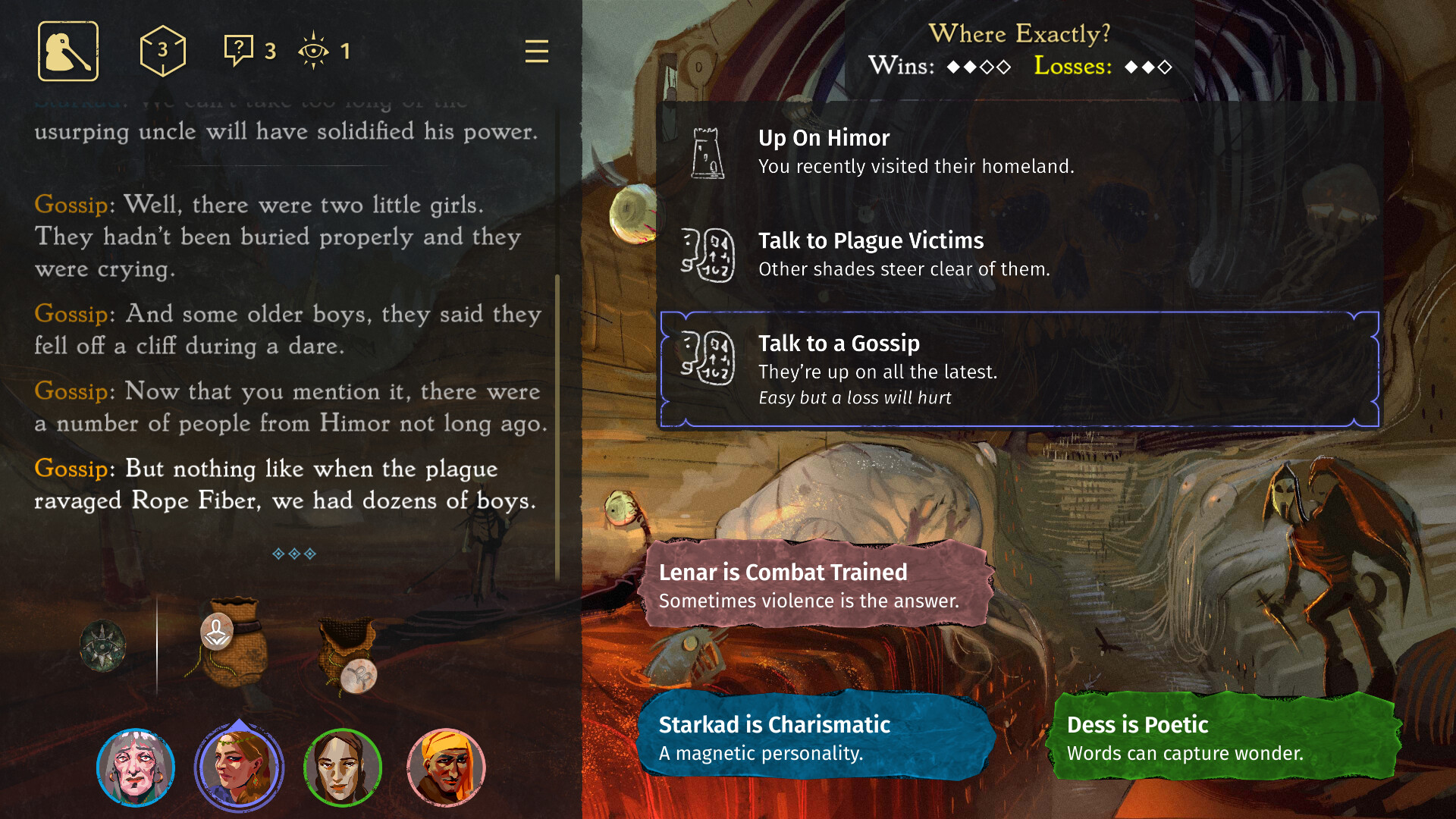
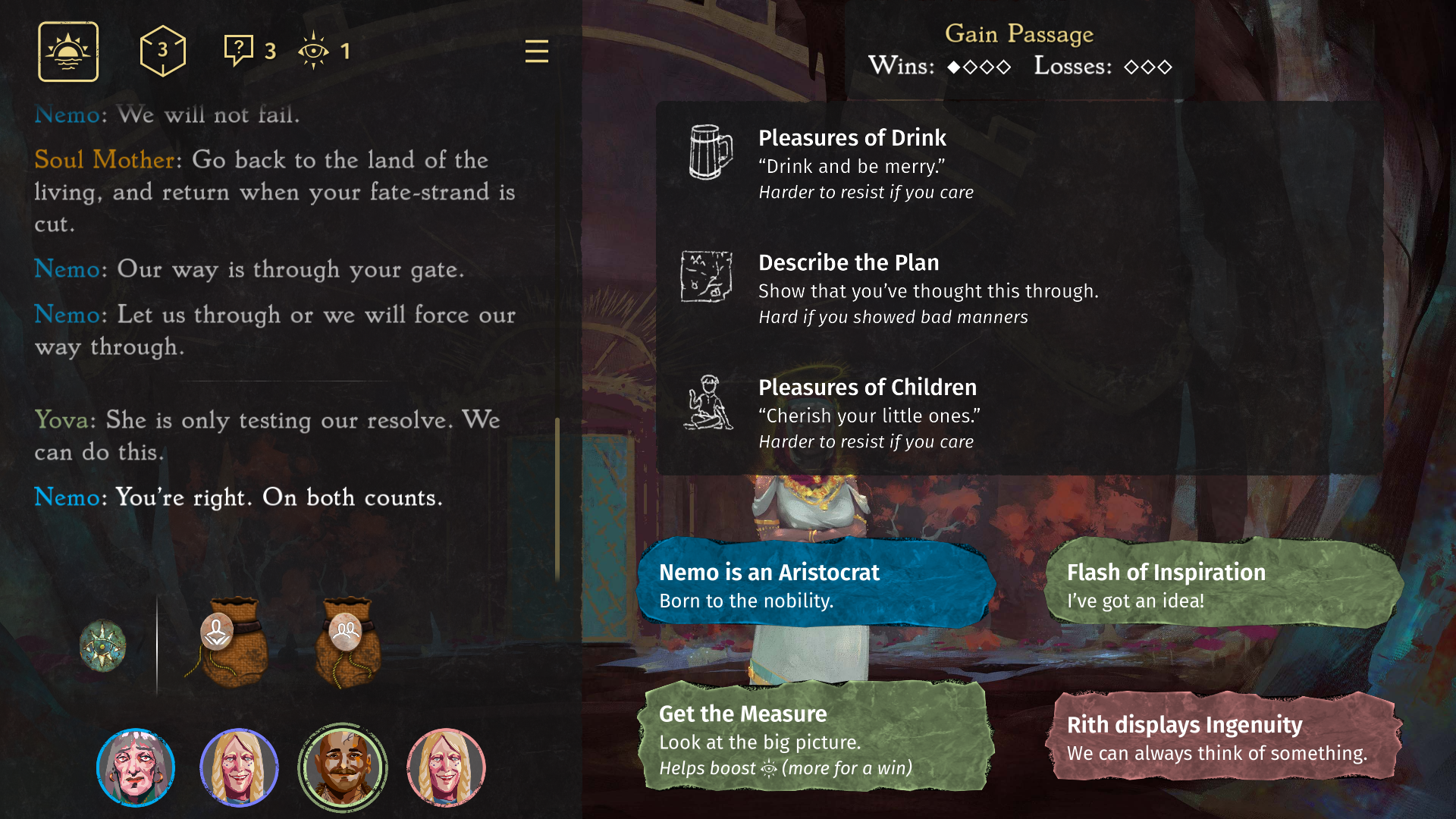
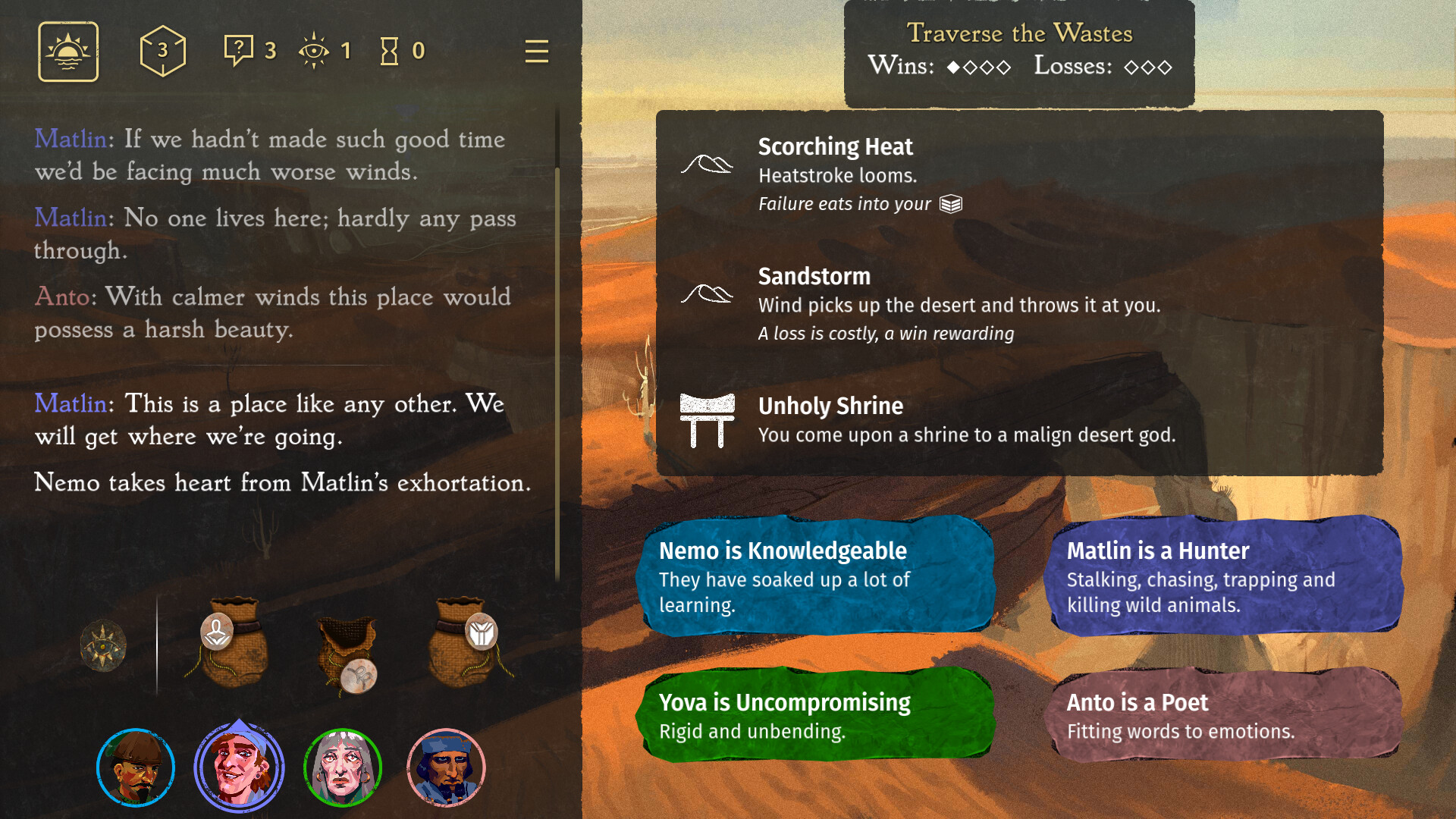
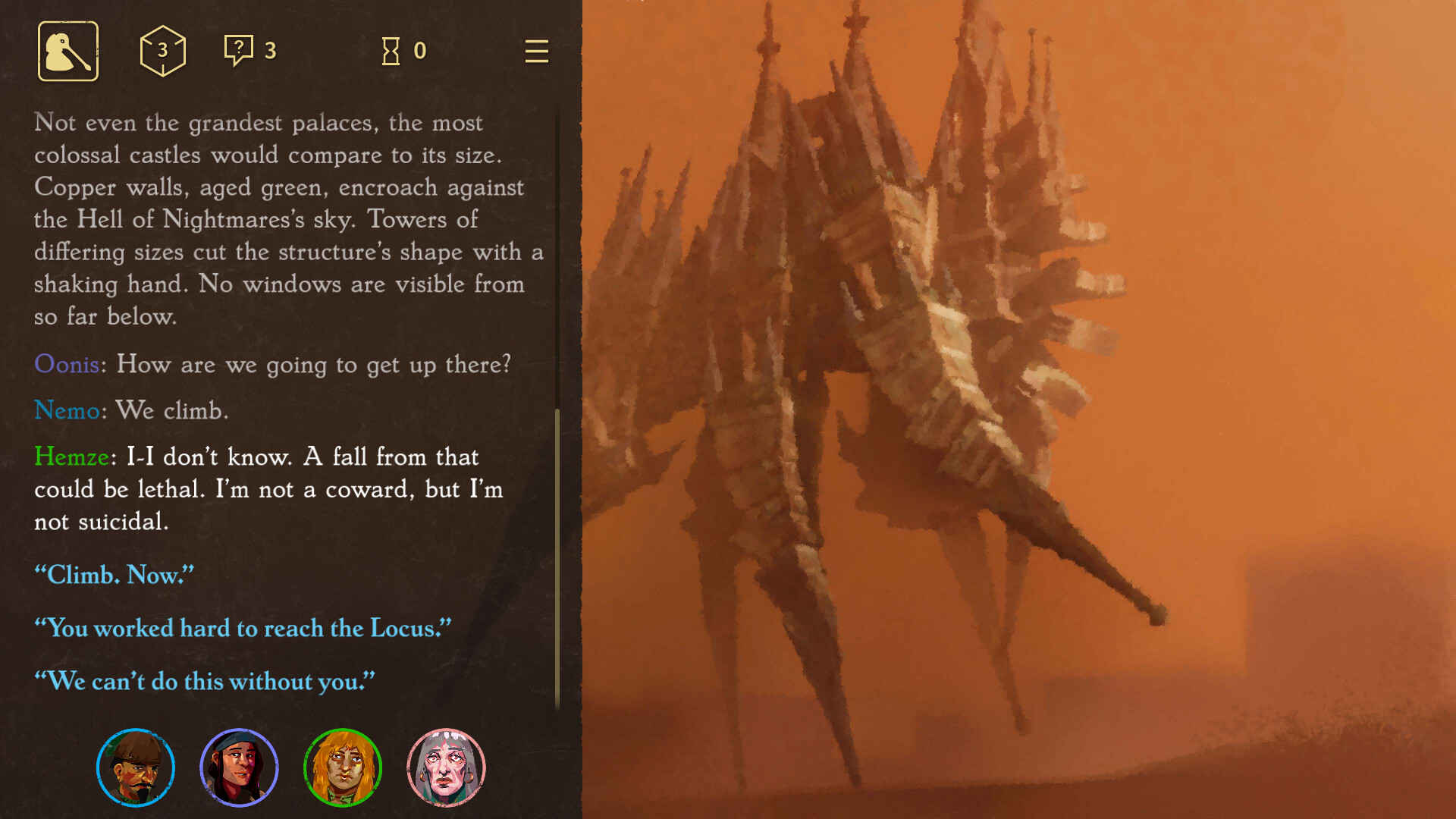
In 1999, designer David Dunham and his studio A Sharp released King of Dragon Pass. Part mythic fantasy RPG, part cattle management sim, King of Dragon Pass was initially a commercial failure—but it gradually amassed a cult following, and is remembered today by those with excellent taste as one of the finest narrative experiences in videogames. Later this year, Dunham and A Sharp are launching a new twist on their narrative expertise with Thousand Hells: The Underworld Heists, a surreal, replayable set of afterlife adventures that denies easy classification. Its publisher, Kitfox Games, calls it "a systemic storybook experience;" its Steam tags say it's a strategy RPG. Dunham, who considers it a "tactical narrative game," said in an interview with PC Gamer that there's a good reason for the ambiguity: Thousand Hells is the first of its kind. "There's really nothing else quite like it," Dunham said. According to Dunham, Thousand Hells' closest comparison is I Was a Teenage Exocolonist, a game where your character's formative experiences become collectible cards used to resolve narrative challenges. Thousand Hells likewise stops the normal narrative action and enters a separate style of game to resolve conflicts or encounters—but in place of cards, you're deploying the traits possessed by the party members you've hired on at the Eternal City, a fantasy Byzantium that serves as the gateway to the constellation of underworlds below. You might have gathered your band of would-be hellfarers to reclaim a queen's murdered sons from the courts of the dead in the Great Below, a gloomy realm where ancestors wait for the sacrificial libations sent by their descendants—inspired, Dunham said, by ancient Mesopotamian beliefs of an afterlife where "you just kind of hung out and hoped that people gave you drinks." Or you may be escorting a scholar into the Hell of Nightmares, a dire dreamscape pulling from the imagery of Hieronymous Bosch's paintings of a warped and wretched underworld. Whichever Hell you enter, it'll be your party's traits that will ensure your safety—or imperil it. The adjectives that define them serve as your verbs for navigating the afterlife: A combat-trained warrior is handy if you're confronted with a demonic ear made of knives, but a singer with a pathological case of honesty could be a hindrance if you were hoping to deceive a guardian of the dead. "One of the writers I ended up working with noted that [your party members] have their own agency, which is a thing that most of my games do," Dunham said. "As a player, you're in charge—but you're not in charge of all of the people. You may want to recruit somebody, but they say 'No, no, no, not if she's going. I hate her guts.' You never find out quite why they hate her guts, but now you have to balance, well, now I can't get the very best thief, but maybe I'll go for the second best one." It's a system and setting that, Dunham said, was intended to push the boundaries of storylets. Storylets are like conditional, rearrangeable nuggets of storytelling—a narrative design concept that is now a regular fixture of interactive storytelling in games from Fallen London and Wildermyth, but which Dunham reckons he independently invented in the '90s for King of Dragon Pass. (He acknowledges that King of Chicago might have beaten him to the punch in 1987, but he wasn't aware of its existence until years later.) "Lots of games use storylets now, and I was trying to come up with a way to push that a little more in the way they're assembled. We sometimes call it a kaleidoscopic game, because lots of pieces come together and they're randomized," Dunham said. "You're not going to know what you're going to get each time. It's a story generator." Unlike King of Dragon Pass and its Six Ages successors, however, Thousand Hells is "weaving together" its collection of narrative elements and layers to deliver a satisfying, emergent story in just one or two hours—as opposed to two dozen. "A lot of people had never won King of Dragon Pass, or maybe even completed it at all," Dunham said. "I was shooting for something that was hopefully closer to a movie experience of like an hour and a half to two hours. It's a complete story. You might win, you might lose, but there's enough that you can go back and the next time it'll be completely different." Thousand Hells might be experimenting with new aesthetics, new atmospheres, and new styles of storytelling, but Dunham says his priority as a game designer is the same today as it was when releasing King of Dragon Pass almost 30 years ago: Getting to make the next one. "It's kind of that Walt Disney answer: 'We make movies not to make money, but we want to make enough money to make more movies,'" Dunham said. "And I'd like to be able to make another game." Thousand Hells: The Underworld Heists is set to launch sometime this fall. You can wishlist it on Steam now. 2026 games: All the upcoming gamesDetails
Best PC games: Our all-time favorites
Free PC games: Freebie fest
Best FPS games: Finest gunplay
Best RPGs: Grand adventures
Best co-op games: Better together
Source
Originally published at www.pcgamer.com.
Related Articles
- BOE's new $9 billion OLED monitor plant, capable of churning out 10 million panels this year alone, is now up and running—with some big names already on board
- How to get Ancient Bone in Palworld
- I reckon Assassin's Creed Unity is one of the series' best, and a former Ubisoft director agrees it's 'One of the most underestimated games in the series'