We saw The Witcher 3 – Songs of the Past in action, and the full-game remaster that's coming this year too
About
Overview
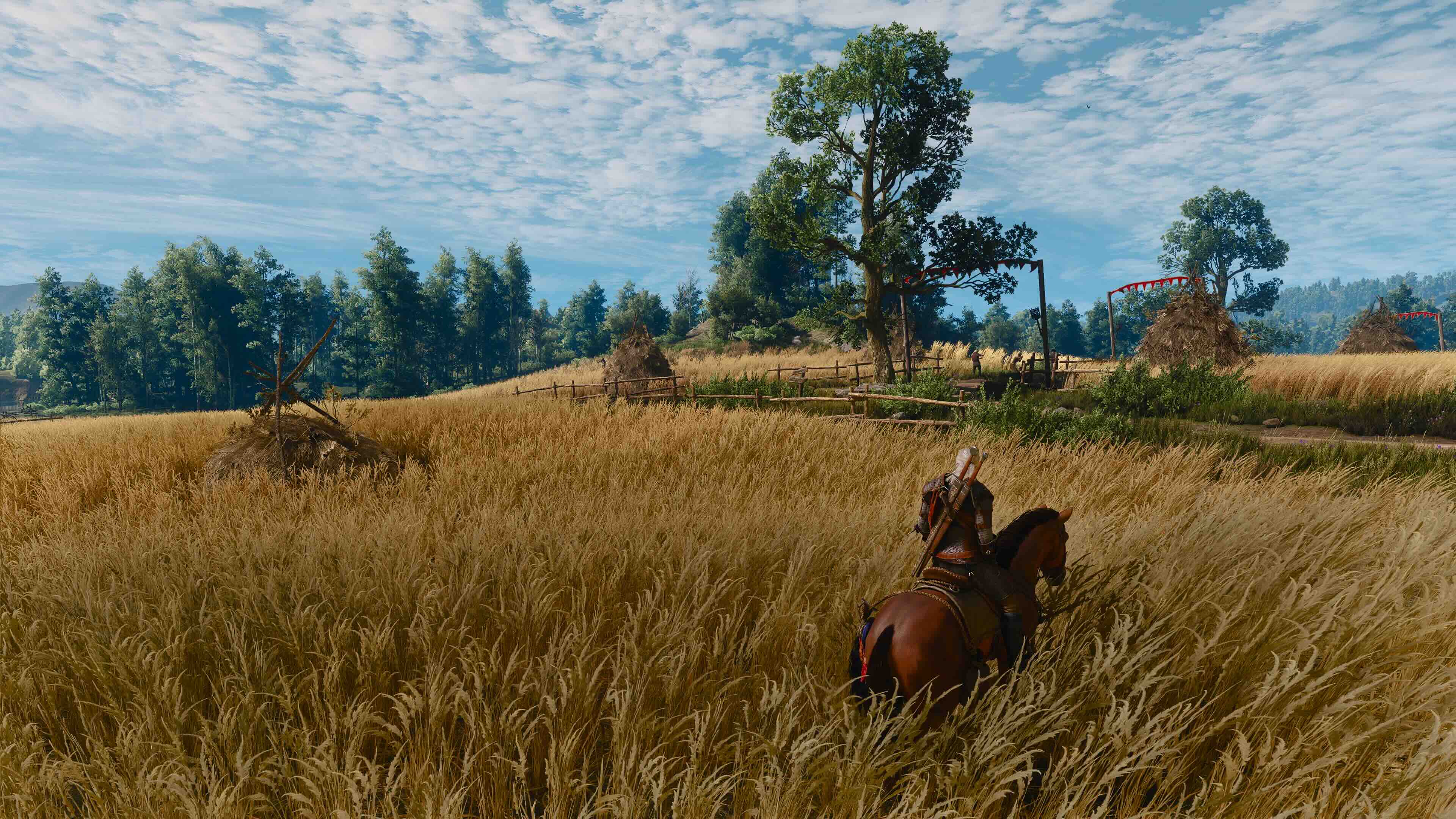
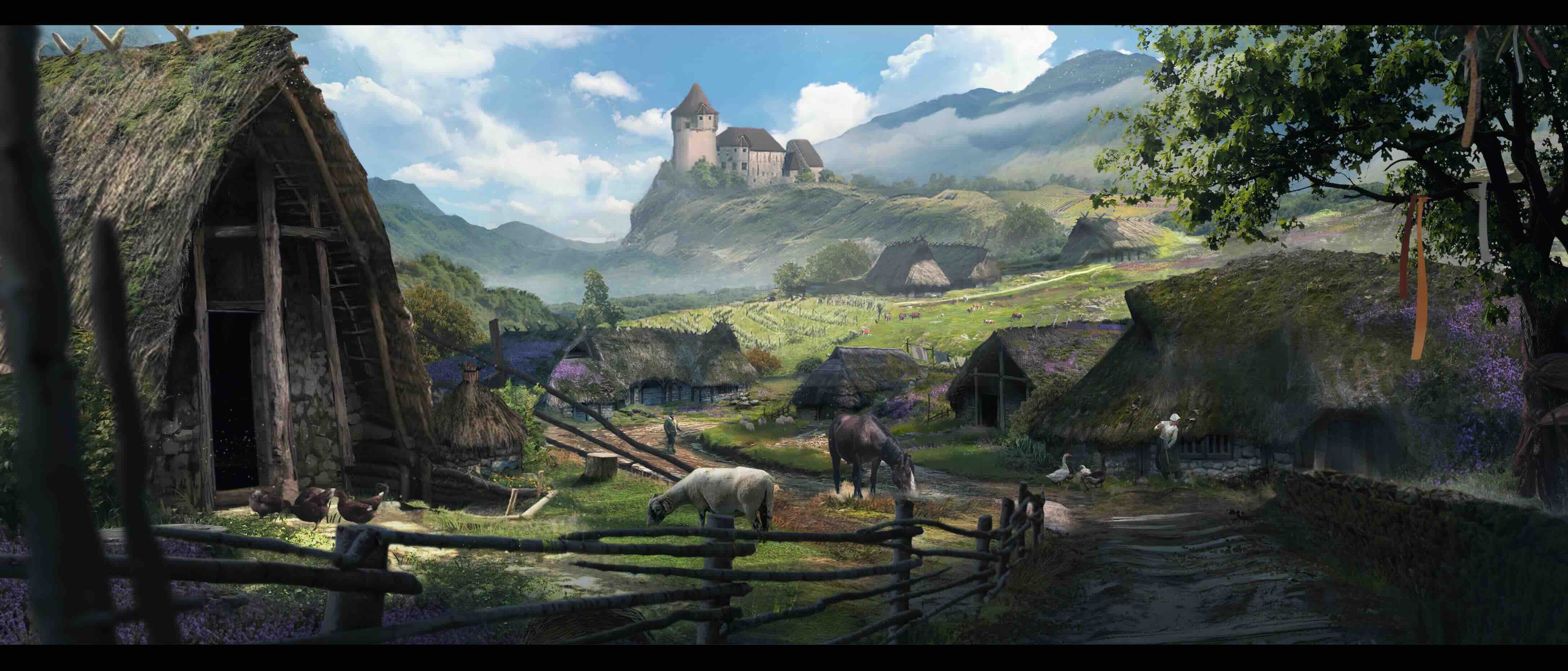
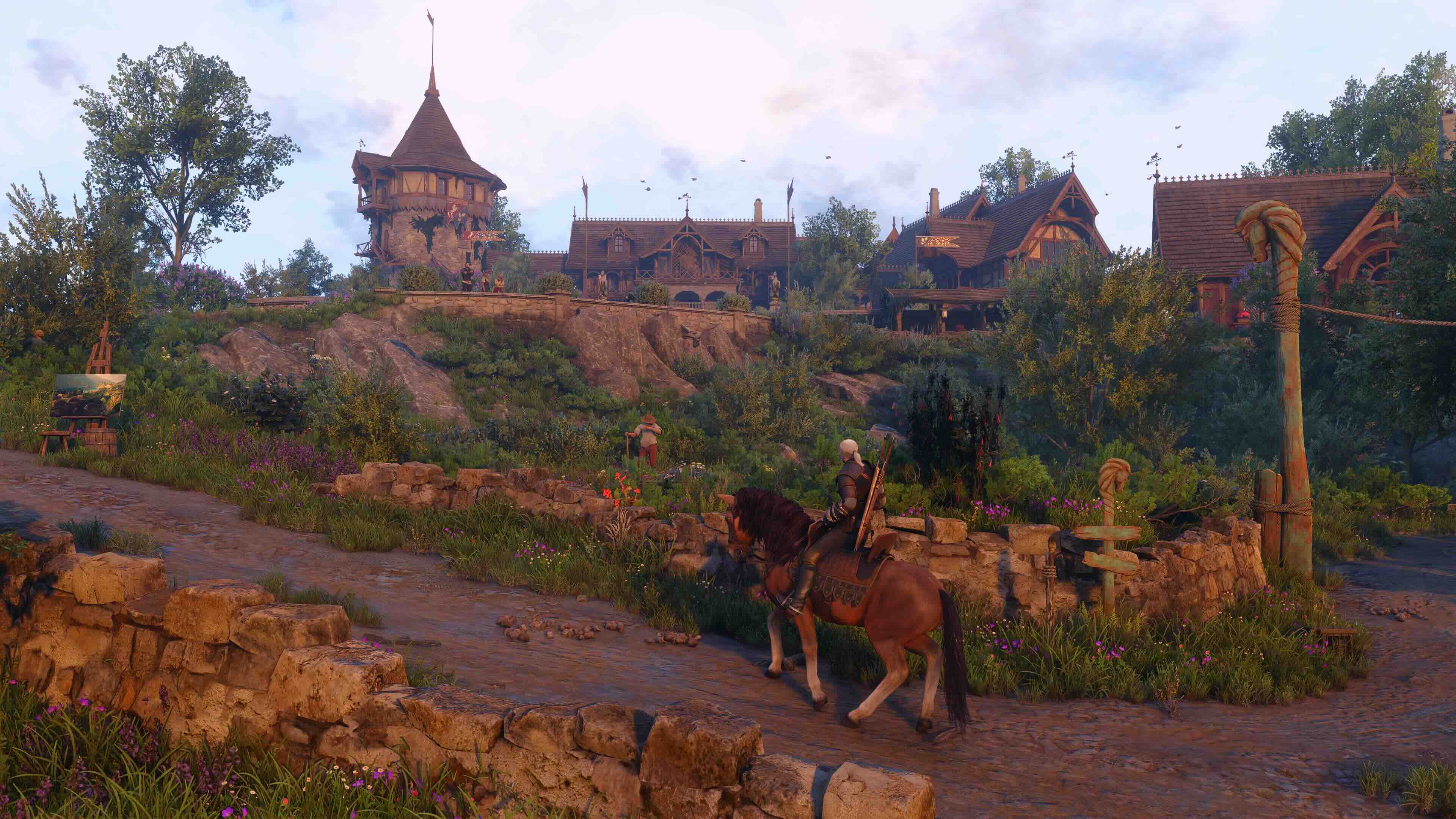
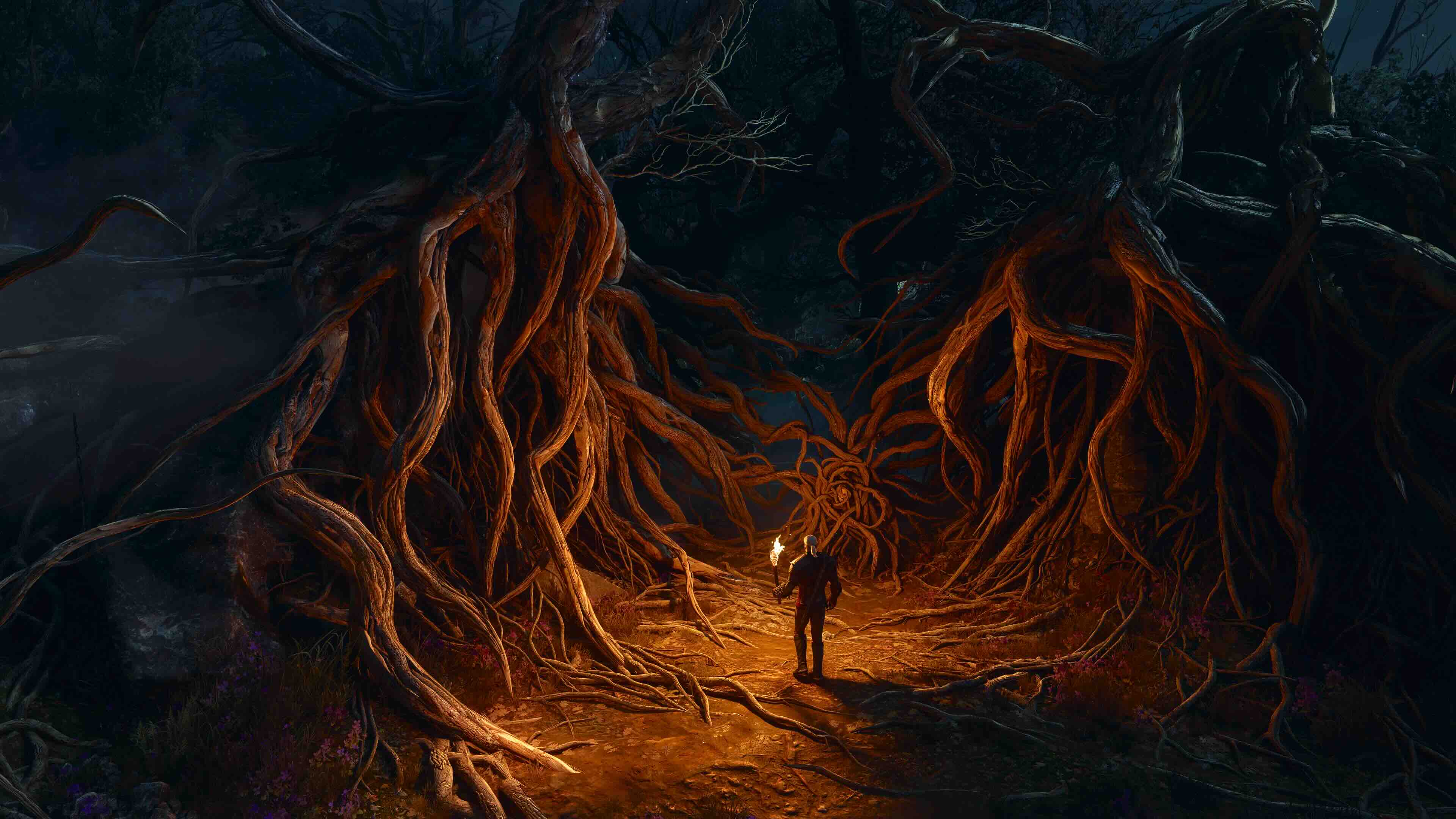
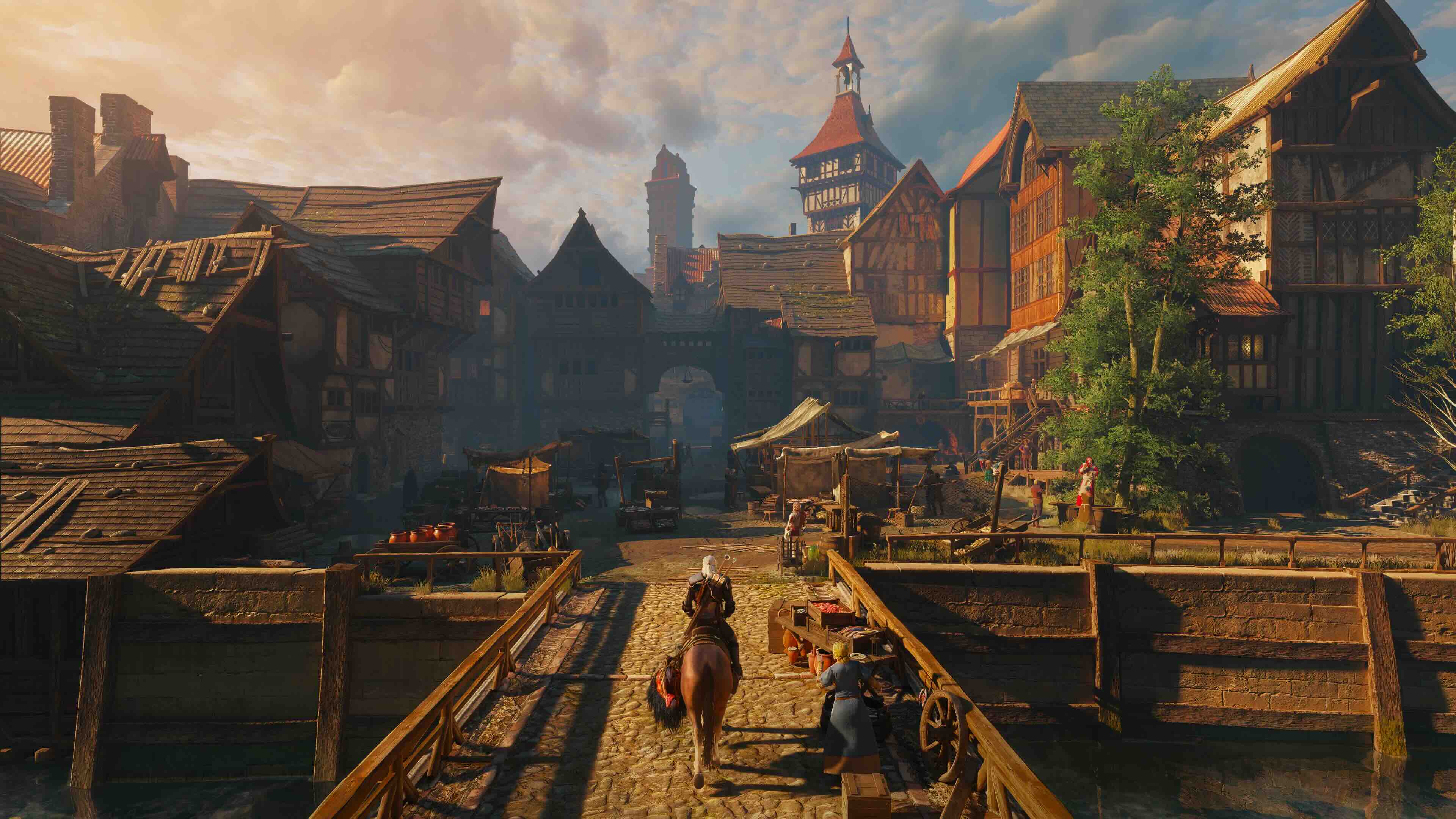
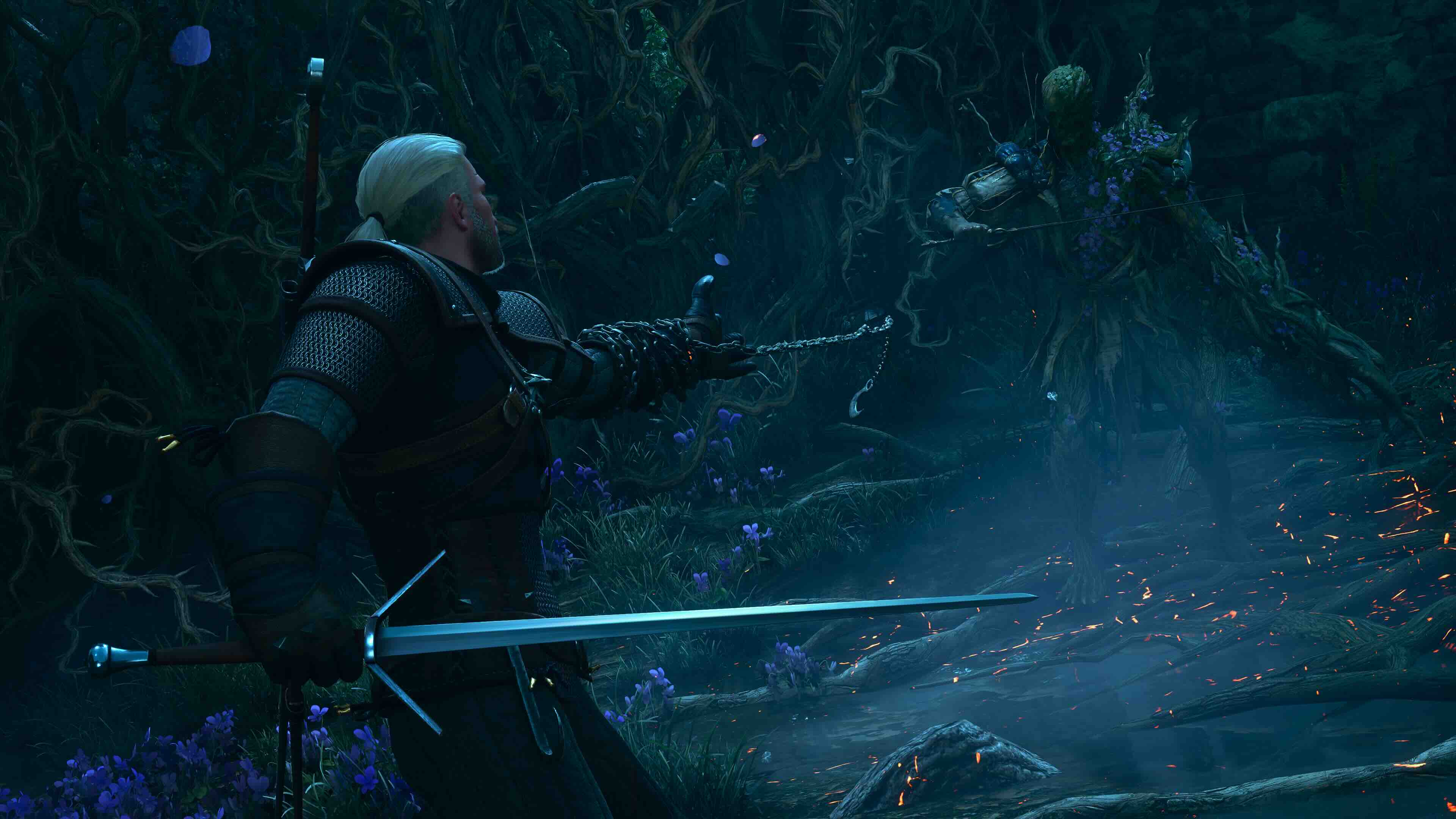
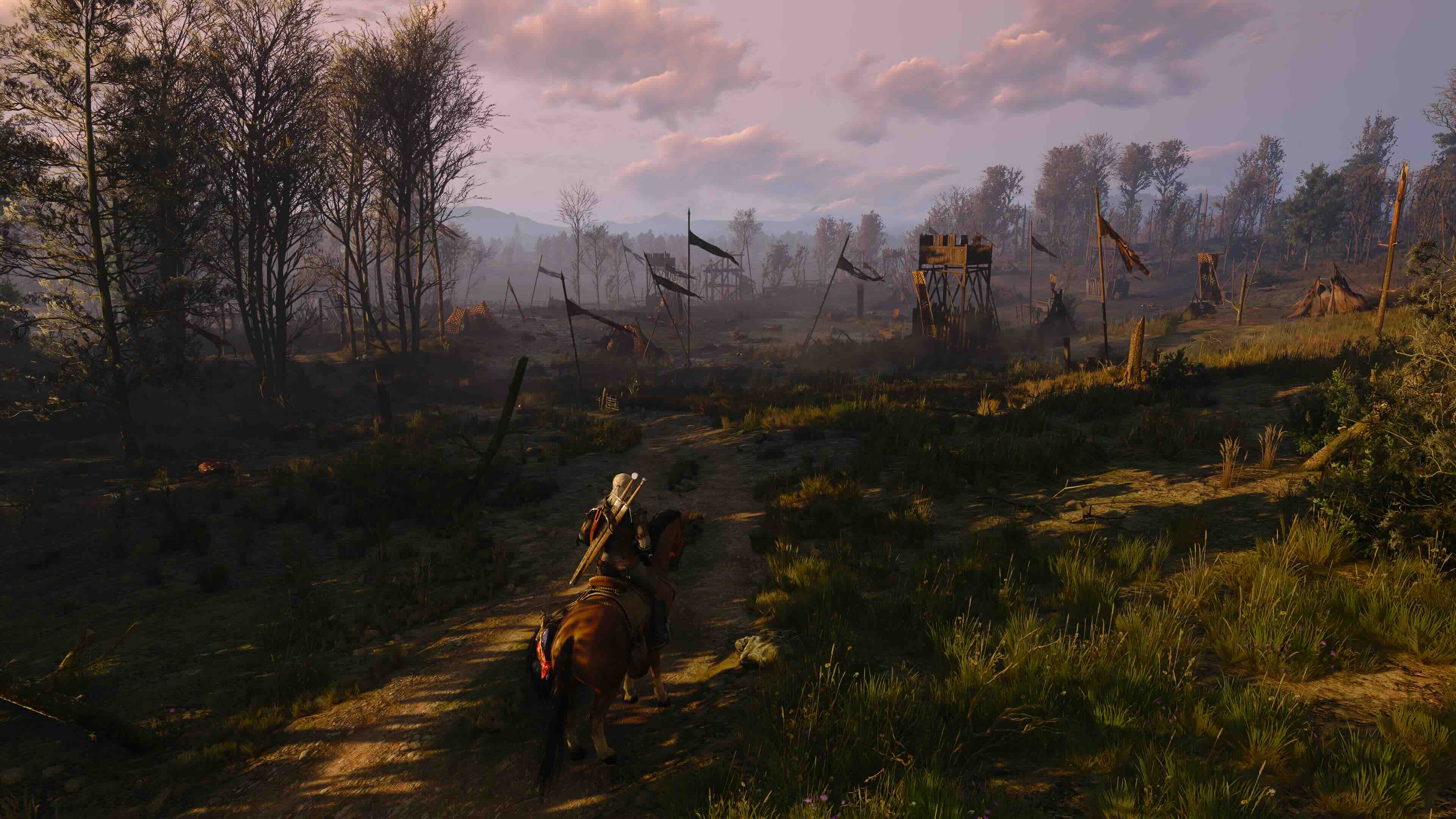
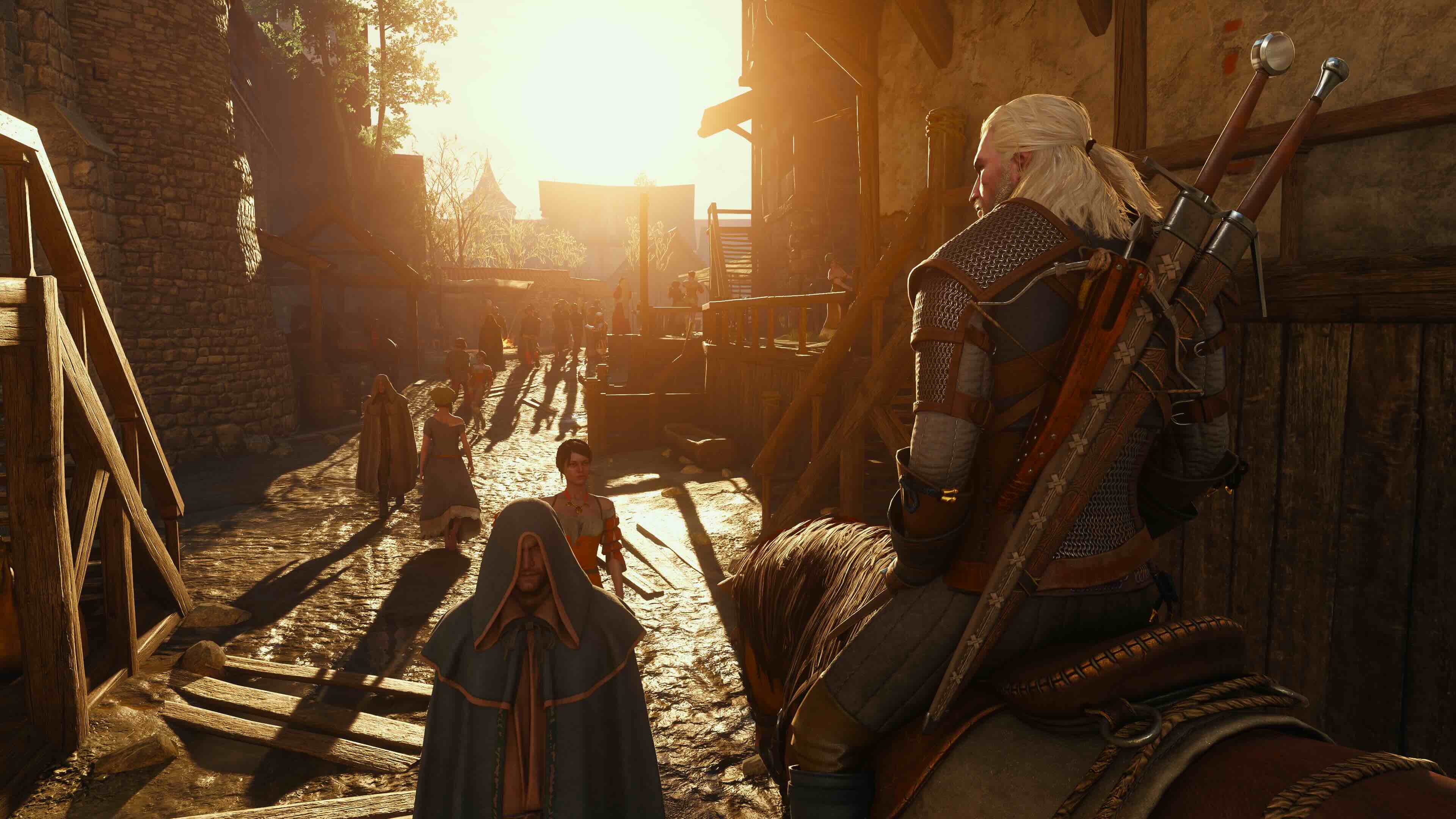
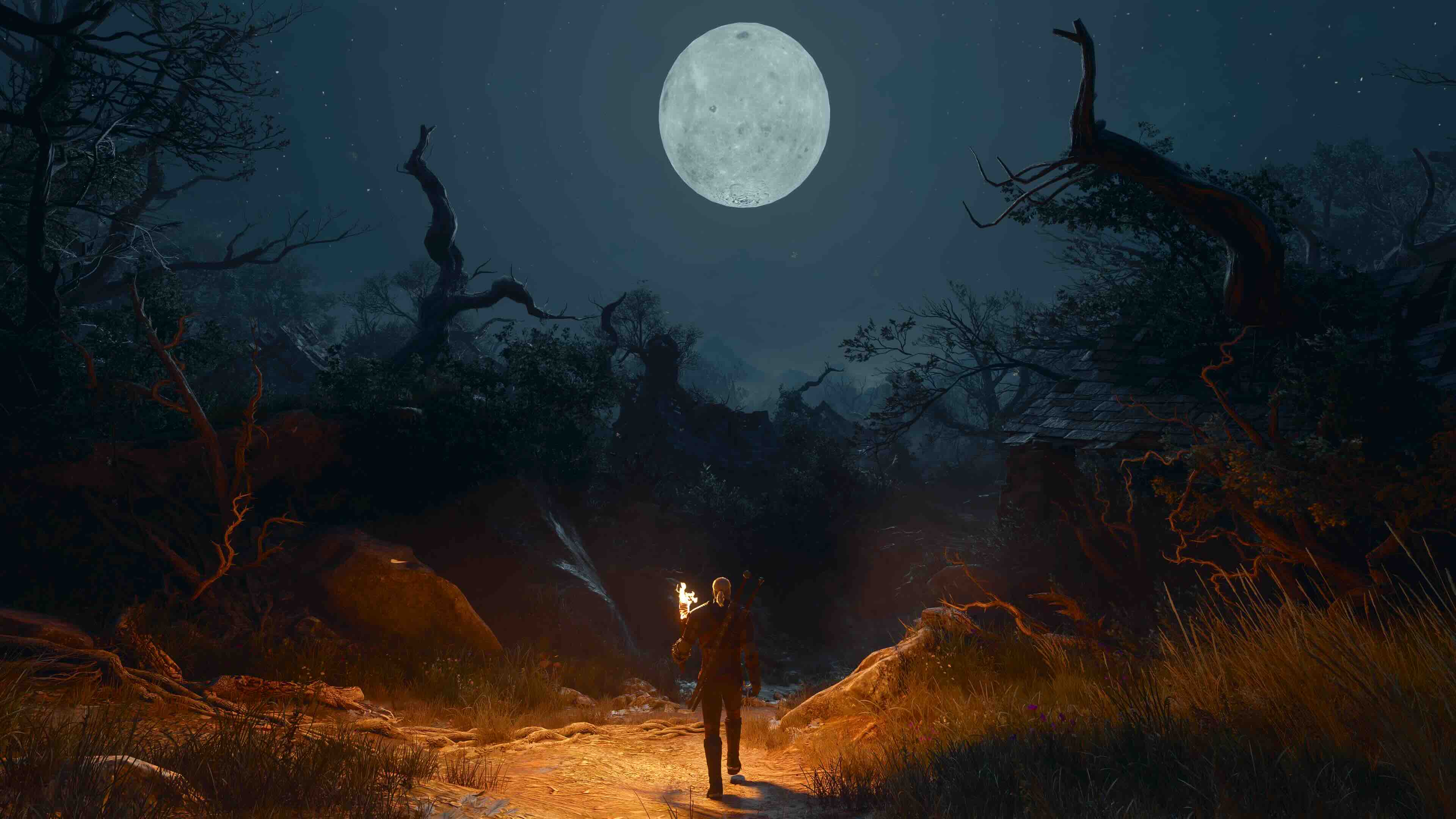
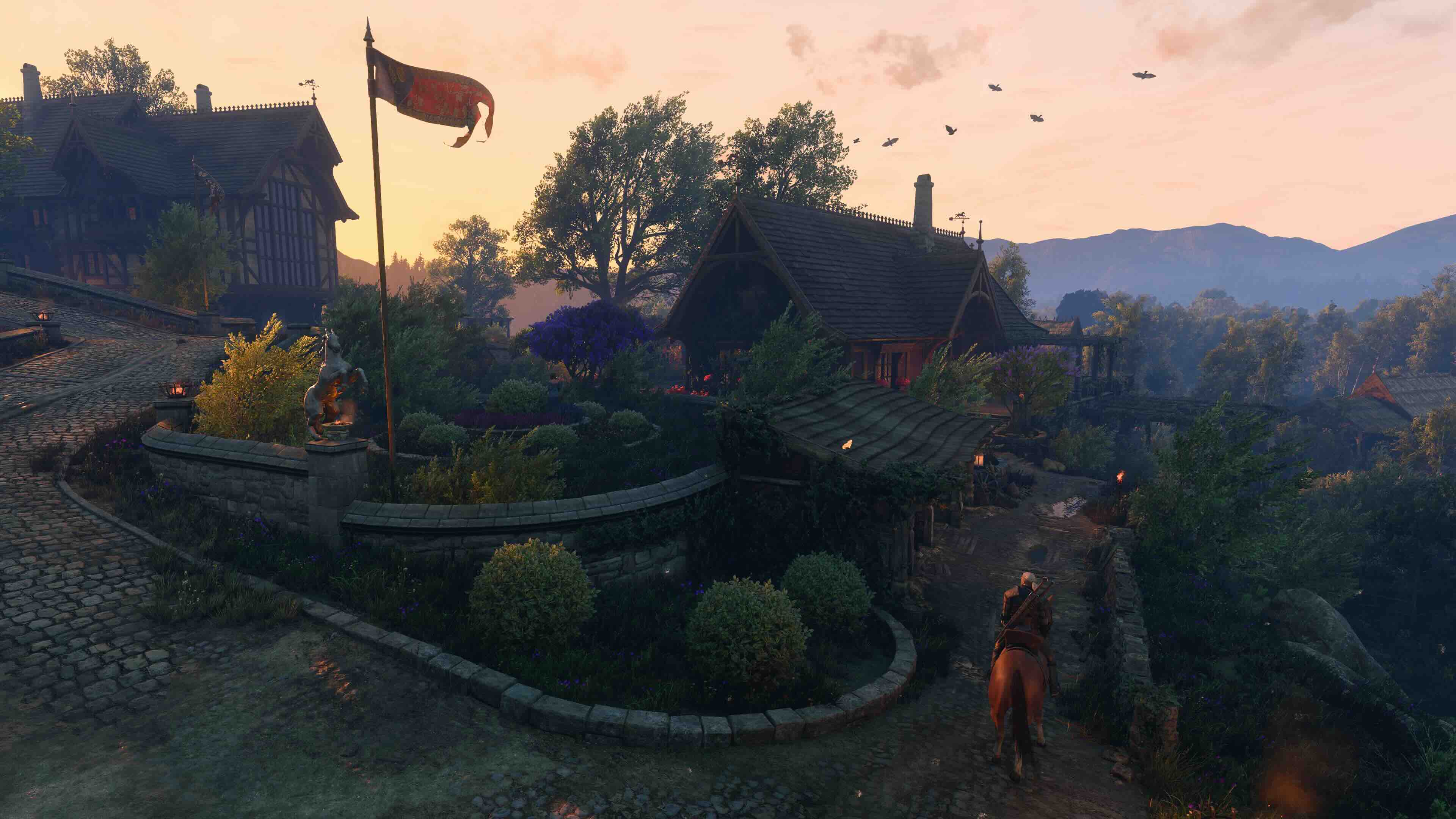
This is a shorter version of an exclusive Witcher 3 – Songs of the Past cover feature that will go out in the next issue of PC Gamer magazine. Keep your eyes peeled! Surprise! Songs of the Past, The Witcher 3's third expansion, isn't kicked off by some Ciri-centric weft in the space-time continuum, nor another curt and urgent letter from Yennefer. As for Triss, well, I didn't spot a single red hair of her in the hands-off demo that CD Projekt Red and Fool's Theory gave us. It's Dandelion. Geralt's lute-plucking biographer has gone missing, and who better to find him than his best pal in the whole wide world? So when Songs of the Past releases next year, he'll be back on the path in a region of The Witcher's world we've never seen before—Dandelion's family home of Letten, in the kingdom of Redania. And he's got another surprise for you, too: a full Witcher 3 remaster that aims to make the 2015 classic feel like it released in the modern era, due for release on September 29. Over a decade since The Witcher 3's last expansion, the boys are back in town. Where better to get a glimpse of Dandelion's true face than his family home? Dandelion's real name is Julian Alfred Pankratz, Viscount de Lettenhove, and it's to Lettenhove he invites Geralt for Songs of the Past's opening—to the sumptuous manor that marks the seat of power for his blue-blood forebears. To hear the devs tell it, this is a Dandelion-centric expansion all the way through: the focus is on Geralt and the bard's relationship—their "bromance," as multiple people I spoke to put it—and not so much on, oh I don't know, Ciri, for example. "[Letten is] a completely new region in northern Redania, where Dandelion comes from," says Karolina Kuzia, Songs of the Past's vision director. "We visit because of personal matters that put a toll on him, so he needs his best friend at his side. Imagine you enter a lush green valley, hidden in a mountain range." "This place was never touched by war, never ravaged like the rest of the continent," continues Kuzia. "People here are peaceful. They live their lives together with nature." Not too peaceful, though. "Letten, albeit a land of plenty, has a dark underbelly," says game director Jakub Rokosz. "It wouldn't be a Witcher adventure if Geralt didn't have anything to do." That dark underbelly was there from the jump in my time with Songs of the Past. Geralt awakens, hungover and far from home, in the aftermath of the local Belleteyn celebrations—a kind of Easter-style celebration—but in the party's afterglow, Dandelion is nowhere to be found. A pretty walk later and the witcher is sat at a long mahogany table in Lettenhove itself, playing mediator between two of his best friend's most fearsome relatives, his grandmama and his cousin Lilla, as they argue over whether Dandelion is truly missing at all and, if so, what to do about it. Yes, we absolutely asked if you can romance grandmama, and I'm sorry to say it sounds like the answer is no. Anyway, it's not long before Geralt's Belleteyn turns into a busman's holiday. He and the almost-definitely-romanceable Lilla venture out into Letten's gnarled, dark, and foreboding woods on the trail of a de Lettenhove family legend: the curse of Dandelion's ancestor, the mad Count Humbert de Lettenhove. Given that it's been a while since The Witcher 3 last got an expansion, it might be worth saying something obvious: this is still The Witcher 3 at its core, with the loops and mechanics you remember. Soon after starting, the dev playing the demo I saw was dropping into his witcher senses to find lost items and people, and the expansion's first contretemps—an argument between Geralt and a bearded Letten-ite who had snaffled Dandelion's lute—let the player choose between trying to negotiate a peaceful settlement or resorting to the diplomacy of fists. We picked the latter. "I wouldn't say that [Songs of the Past] will feel different," says Rokosz, "simply because Witcher 3 aged really well, as a game. It's still very relevant—it became a staple for RPGs back in the day when it came out, and even now, when you replay it, you don't really feel it's an old game." But while it's still The Witcher 3, it quite literally has some new tricks up its sleeve. Geralt picks up a new weapon in the course of his time in Letten: a silver chain that wraps around his arm and can be used to handle crowds of enemies. You might recognise it. In The Witcher 1's intro cinematic (and in the first book), Geralt used exactly this weapon to fight off a monstrous striga. And if you don't remember that, you might recall this: Ciri wields an identical weapon in cinematic trailers for The Witcher 4. Cue raised eyebrows. How does it work? I saw Geralt make use of his new weapon against a couple of different enemies in my time with him. First up, swarmions, a new enemy type and example par excellence of nominative determinism. They're big on swarming, you see, which means having a long chain to handle them with—yanking individual foes from the pack to deal with mano a mano, or whipping it around to keep foes at bay—comes in useful. The chain is selected much like a sign or bomb in combat, and can either be quickly deployed with a button press or, if you want to give someone special treatment, you can manually zoom in to target specific body parts on your enemies, an action which slows down time to give you time to aim, much like the base game's crossbow. I also saw the chain used in my demo's concluding boss fight. Having hacked their way through centipedes, swarmions, and a few other nasties, Lilla and Geralt finally come to a mystical well that seems intricately tied to Dandelion's disappearance and the de Lettenhove curse. First things first, though, Geralt has to put down the Slumbering Knight guarding the place, which means plenty of familiar fancy footwork while, at the same time, using your new toy to break the boss's guard and get some licks in. That familiar fancy footwork isn't too familiar, mind you. A new expansion isn't the only work being done on CDPR's masterpiece—the studio is preceding Songs of the Past with a full-on remaster too. It's not just a graphical gussy-up, the devs are reworking parts of the game to smooth out the little points of aggravation that might drive players away. When it comes to gameplay changes, "We're mostly thinking about new players, you know?" says Jakub Kutrzuba, CDPR's executive producer of external projects. "We're looking at The Witcher from that perspective—so what would be the biggest pain points? What would a player expect to be changed in order to enjoy the game?" What would The Witcher 3 look like "if it was a game which released in 2026"? In practice, that means working on The Witcher 3's combat, movement, and animations to make the whole thing feel more responsive and dynamic and less, well, janky. "The remaster includes so many improvements, so many fixes, so many changes and gameplay improvements," says Badowski. "All the improvements make the combat much more smooth, much more natural. You can change target while playing the animation or performing strikes, and it gives the game a kind of freshness." "We put a lot of our time into how the game actually plays," says Kutrzuba. "So, the animation system, the camera work, small quality of life improvements, accessibility changes, enemy behaviour in combat, maybe the pathfinding for the roads, etcetera—these are areas of the game which we know could cause some frustration here and there." "We went through all of them and asked ourselves, 'What can we do about it, without rebuilding the game from scratch?' And we have changed a lot… the game just plays smoother, you know? There's no immersion-breakers anymore, I would say." I can't verify that without playing myself, but I can verify that it looks killer. The Witcher 3 was never an ugly game, and it looks better than ever after its 2022 next-gen update, but it's something else now. Letten is gorgeous from all angles, whether you're watching the sunrise crest the hills or stepping into the oppressive darkness of its sinister woods. But it's the more technical, nitty-gritty simulation stuff that really appeals to me. Geralt's stroll to Lettenhove at the beginning of my demo felt lively in a way that few places in the original Witcher 3 did. People were, simply, up to stuff. Shepherds guided sheep across roads, carts trundled around, a child played on a high railing to the chagrin of their parents, and all around life seemed, in general, to proceed. "When you think about the remaster features that we apply in Letten," says Rokosz, it concerns in large part "how our community behaves, what you can do, what can they do. They can now use boats, they can drive carts, this is all to bolster the feeling of the area where you are, in Letten." "We wanted to make it compare with any other game which is launching these days," says Kutrzuba. "We are touching aspects of the game which haven't been touched since we launched it." From what I've seen, it pays off. The Witcher 4: What we know about Ciri's storyThere's No Place Like
The morning after
Details
Chain reaction
(Re)master Witcher
Witcher 3 mods: Good hunting
The Witcher books: Where to start
Witcher 3 console commands: Cheat death
The Witcher season 4: Hemsworth's debut
Source
Originally published at www.pcgamer.com.