What happens after GTA 6?
About
Overview
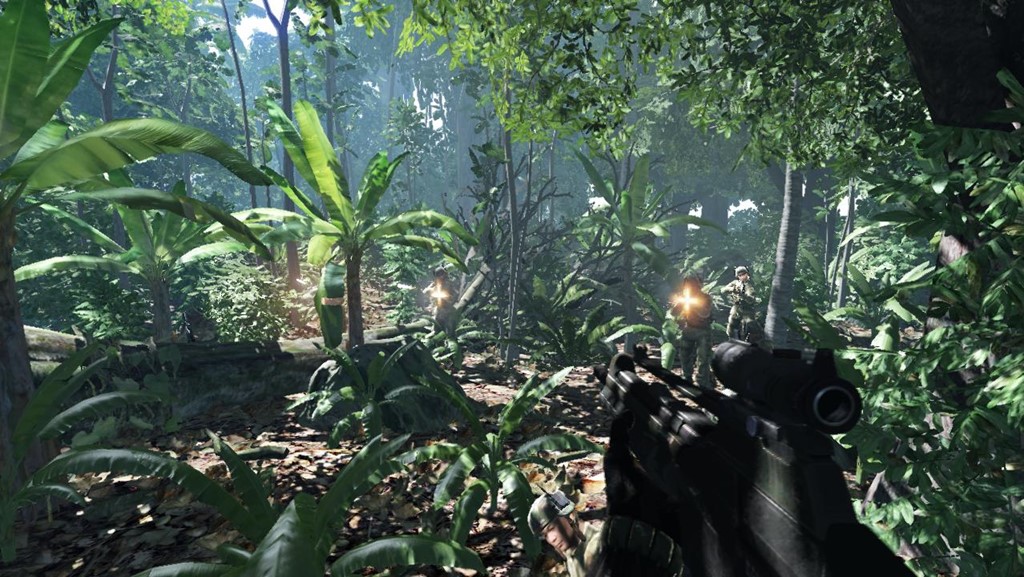
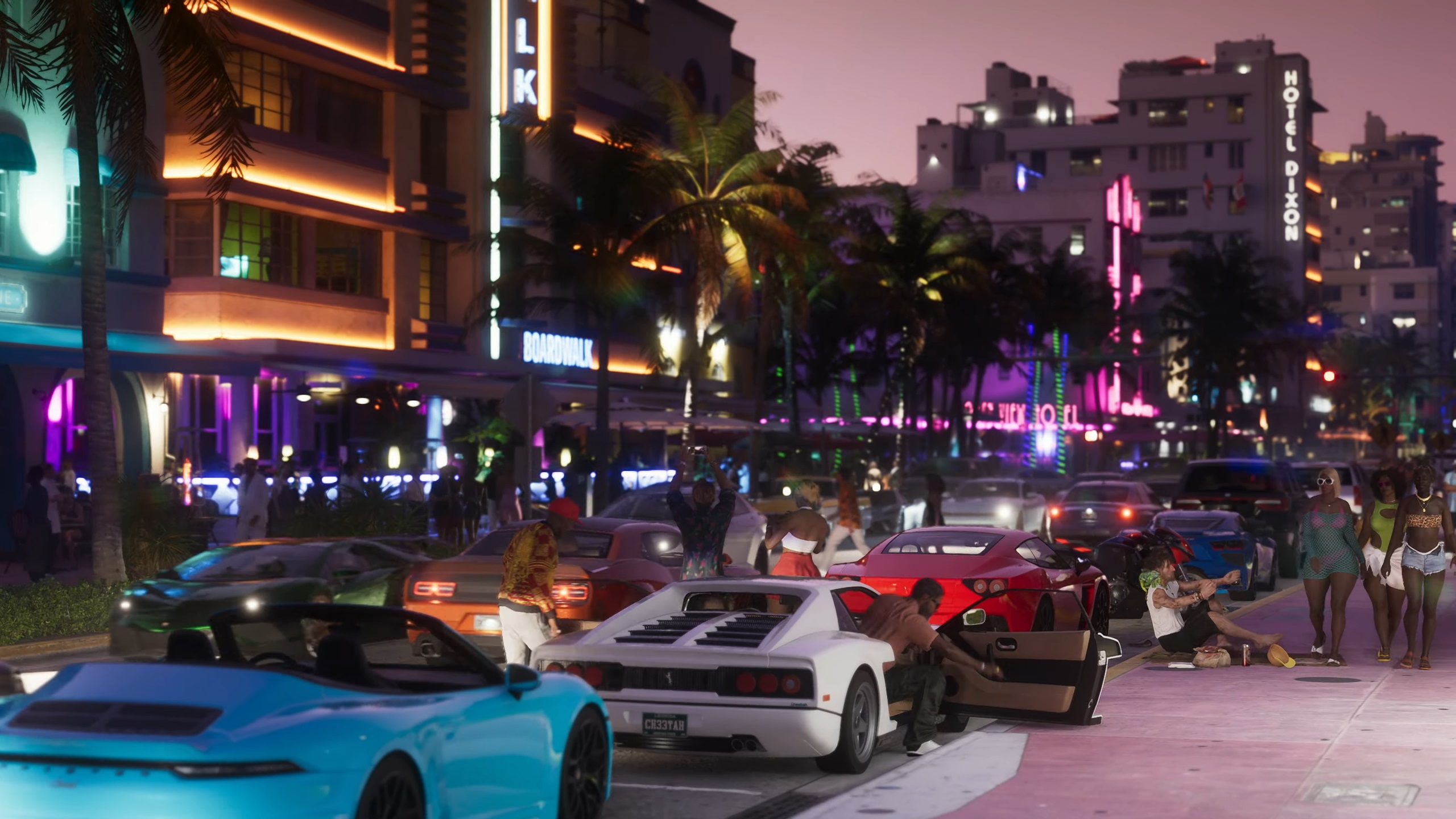
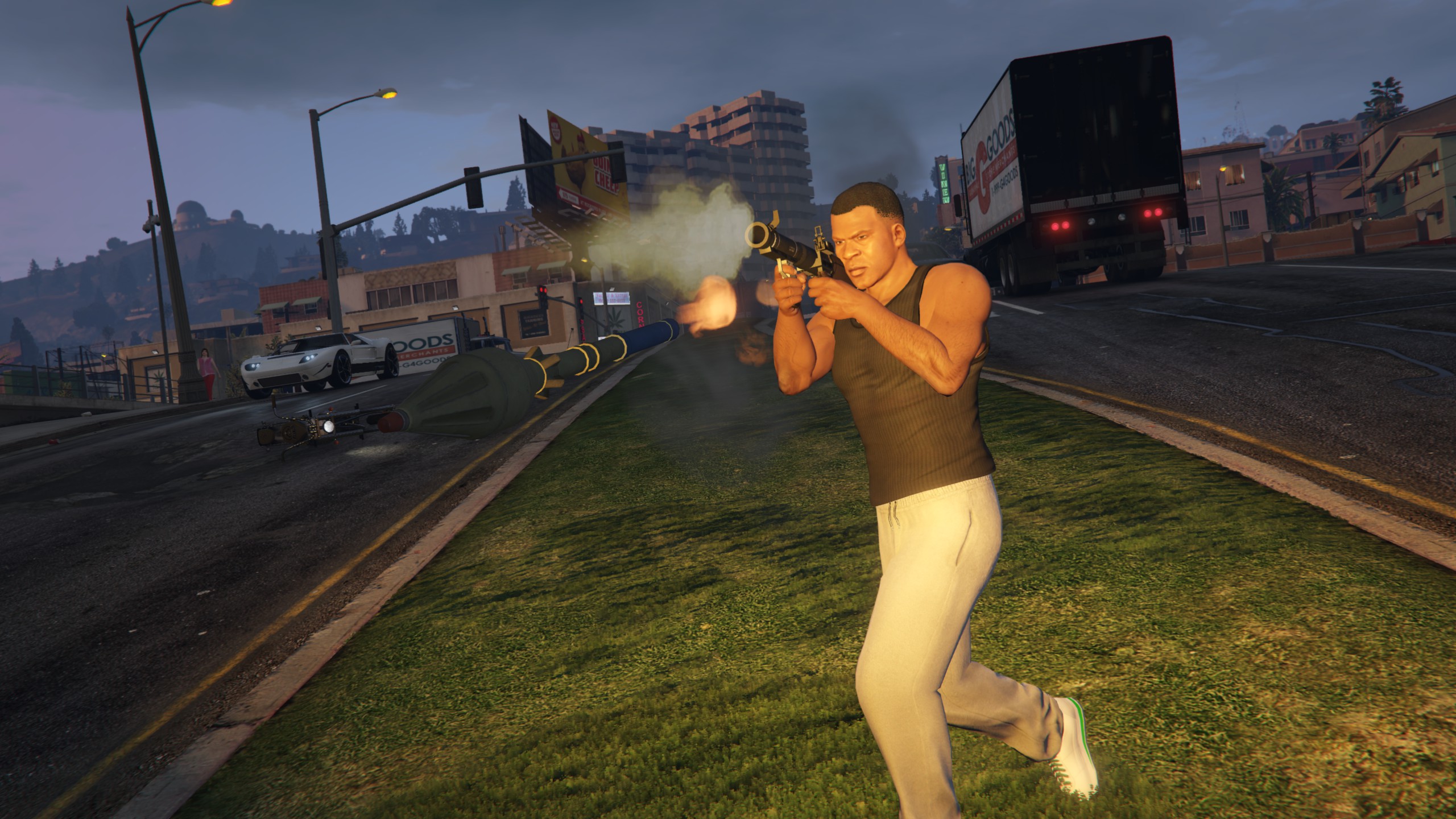
It feels like western blockbuster games development is dying. Amid endless rounds of ruthless layoffs and studio closures, a component shortage crisis driving up hardware prices for both PC and console users, and the industry's often-disastrous pivot to live service, it's hard imagine a healthy future for the kinds of lavish, seasonal tentpole releases that used to be the bread and butter of the medium. I know western studios still release these things. In 2025 we had Assassin's Creed Shadows, Doom: The Dark Ages and Kingdom Come: Deliverance 2 to name a few. This year: Forza Horizon 6, a forthcoming Wolverine game, and 007 First Light. But none of those 2025 games had the cultural impact of a Silksong, Arc Raiders or Clair Obscur, nor were they as sticky as Nintendo, Capcom or Konami's blockbuster output. It's roughly the same narrative this year so far: Forza Horizon 6 was fine, but Korea-made Crimson Desert was a viral sensation. Many, many more people read about Subnautica 2 on PC Gamer than they did 007: First Light. When they actually get made and not unceremoniously canceled, blockbusters with luxurious seven figure budgets and inescapable marketing just don't have the clout they used to. But there's one massive exception looming on the horizon. GTA 6 really feels like the last of the dinosaurs. For one, a big part of the conversation will focus on its envelope-pushing graphics, which feels like an increasingly irrelevant point of discussion in 2026. When the rotely realistic-looking Bond game did go moronically viral, it was because the graphics, which strove for realism, weren't realistic enough. The drive towards ever-increasing graphical fidelity has been inseparable from this medium since its birth. It's why we have Doom, Tomb Raider, Crysis, Oblivion and Cyberpunk 2077. It's why we have console generations and dedicated GPUs. It's probably why there hasn't been a new The Elder Scrolls game since 2011. "Immersion" is near universally valued as the goal in blockbuster development. The word's ubiquity goes hand-in-hand with the medium's obsession with graphical fidelity, which overwhelmingly manifests as realism. After all, what could be more immersive than a videogame that looks like the actual world? The more realistic a game's shimmering isle or wartorn city, the better. In western blockbuster development, realism has disproportionately ruled the roost compared to, say, the cel-shaded Borderlands look, or that one weird anime Need for Speed game (remember what EA and Insomniac did to Fuse?). Even fifth and sixth gen mascot platformers were marketed for the realism of their newly impressive 3D spaces. But I don't think the majority of people playing games care about graphical fidelity and its attendant "realism" anymore. Games like Palworld, Peak, Phasmophobia and Valheim make bigger cultural splashes than IO's new Bond game did. Crucially, they all look different. The way they look translates as a sensibility or a purposeful style. But when the rotely realistic-looking Bond game did go moronically viral, it was because the graphics, which strove for realism, weren't realistic enough. If you were born the year Crysis released, you're 19 now. If you were born the year Skyrim released, you're 15. Graphics have definitely "improved" since then, but nowhere near to the extent they did between, say, Wolfenstein 3D and Doom. It's not even close. And yet, it's these iterative nudgings towards greater immersion that defined big splashy games and the marketing of them for decades. Remember when Spider-Man 2 went viral because the puddles got nerfed? That's the parodic end result of the industry's focus on realism as a measure of its progress. Meanwhile, my tween daughter rotates between Minecraft, Stardew Valley and Hades 2. Some of her contemporaries subsist entirely on Roblox brainrot. The big exception to this generational shrugging off of fidelity is GTA 6. It'll likely be the best looking "realistic" videogame ever made, but it won't be because of its underlying computer technology. Its unprecedented realism will be mostly attributable to Rockstar's budget. Rockstar—which has reportedly spent well into the billions on GTA 6—can afford to employ a team of people dedicated to making dog fur look uncannily lifelike, or body sweat drip and roll in a very true-to-life way. It's not mere technology that gets us here: it's the result of Rockstar being wealthy enough to pay people to do it. Advances in realism can no longer come from John Carmack sitting alone in a room making true colored lighting from scratch. It comes from massive teams of specifically-qualified people working on all those finer details most players won't notice. Most studios, even big ones, can't afford to make every building in an open world city look different. The people in these massive teams all command a wage, and there's a limit to what most studios can pay. Rockstar has as close to "no limit" as the industry gets. That's ultimately what the graphical arms race is in 2026 and beyond: whoever has the most money and the strongest will to spend it wins. And no other studio is even close to rivalling Rockstar in these stakes. What happens to the big western blockbuster after GTA 6? I don't think GTA 6 will kill it, but it'll maybe have a Baldur's Gate 3 effect. Developer Xalavier Nelson Jr. presciently warned about this phenomenon in the lead up to the RPG's 1.0 release. To expect that "every RPG should be like [Baldur's Gate 3] going forward" would be to create "the expectations and conditions to ensure your favorite creators may never be able to give you the thing you love ever again." Maybe GTA 6 will emphatically murder the arms race that has been petering out for years. Which is true, but it's also been an unfortunate reality in game development for as long as I remember. Many are the hairy tales of studios pivoting to newer, less-familiar engines in their attempts to keep up with the graphical joneses. If a game looks bleeding edge it (partially) markets itself. There is an important difference: Baldur's Gate 3 is famous for its systemic complexity and mind-melting player agency. It lets you do things you've always dreamed of doing in RPGs, which even fractionally smaller RPG studios may struggle to emulate. Singleplayer GTA games, on the other hand, are best known for their edginess, their immersive, simulated cities, and their immersive, realistic graphics. GTA 5 wasn't dramatically more sophisticated than GTA 4. It didn't change the way people make or play open world city action games. Having three protagonists was neat, but it didn't enforce any new norm on the medium. But one thing's undeniable: it looked amazing. It was more realistic and detailed than any game that came before it. That's what counts in Rockstar's world. So it's possible that competing western triple-A studios will never be able to make a good looking videogame ever again. Maybe GTA 6 will emphatically murder the arms race that has been petering out for years. But it's also possible that GTA 6's graphics—and take a deep breath, because I'm about to say something pessimistic about GTA 6 —won't hit with the impact that has historically buoyed the series because, ultimately, who cares about realistic graphics in 2026? How much better can they realistically be on six year old hardware? And won't it still ultimately be an open world shooting and driving game with some lavish narrative accoutrements? (Perhaps it'll be much more than that, but it'd be bucking against tradition.) Nearly everyone with a console will buy GTA 6 when it releases in November. Many PC gamers will buy a console to play it. It's going to be absolutely huge and it'll dominate the conversation for months. But here's what I think happens afterwards: western studios, the ones still operating healthily, will go on developing their games within their comparatively limited scopes. Outlier philistines will gripe online that they don't look as good as GTA 6, but most people won't care. They'll think it's pretty amazing. Then, two or three months later, until the next GTA Online comes out, GTA 6 will be forgotten, its existence taken for granted. It'll still be a watershed moment for the medium. I think it'll be the last videogame that can market itself on the strength of its exorbitant graphical detail. It'll be the full stop in that fun but ultimately kinda destructive continuum. As a former Sony Santa Monica exec told me last year, the timeworn blockbuster model is not sustainable. For those who insist on following that route, they'll need to do so keeping in mind that fewer people will have access to high end hardware because everything is now stupidly expensive and getting worse. As a result, what constitutes the "mass market" in games will shift dramatically. In a worse case scenario our descendants will binge on low-rent UGC. More optimistically, the medium will continue to grow and flourish without the pixel counters breathing down its neck: if that happens, games will be allowed to become more complex in more interesting ways. 2026 games: All the upcoming gamesFor Real
Details
Graphics Accelerator

Best PC games: Our all-time favorites
Free PC games: Freebie fest
Best FPS games: Finest gunplay
Best RPGs: Grand adventures
Best co-op games: Better together
Source
Originally published at www.pcgamer.com.